
You can clean your coffee grinder with rice in about 15 minutes by grinding a small amount of dry, uncooked white rice to absorb residual oils and lift away old coffee dust. This method is an effective way to maintain your equipment between deep cleanings, but it requires a specific type of rice to avoid damaging the internal burrs. It’s a medium-difficulty task that costs nearly nothing, provided you have a bag of standard, non-instant, white long-grain rice in your pantry.
Required tools for your grinder
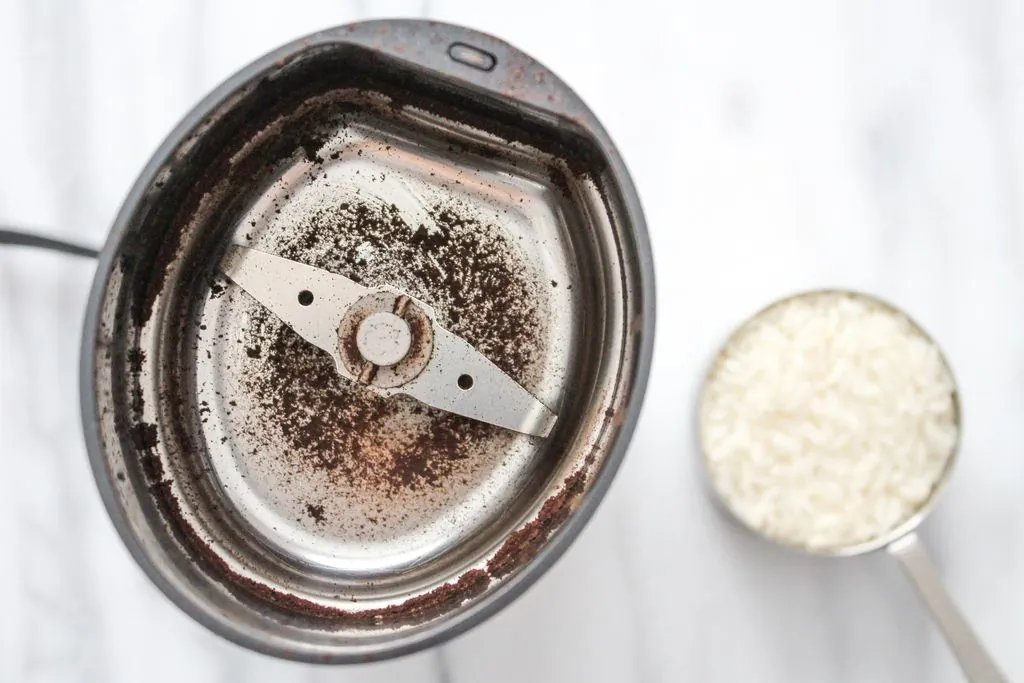
To perform this task safely, you need a few basic items. Always check your grinder’s manual first, as some manufacturers explicitly forbid the use of rice or other non-coffee materials, which can void your warranty.
| Item | How much | Why it’s needed | A substitute |
|---|---|---|---|
| White rice | 1/4 cup | Absorbs oils and dust | None — don’t swap this |
| Cleaning brush | 1 unit | Removes loose particles | Soft-bristled toothbrush |
| Microfiber cloth | 1 unit | Wipes exterior surfaces | Clean paper towel |
| Vacuum hose | 1 unit | Clears out debris | Compressed air can |
Preparation before you begin
- Unplug the grinder from the electrical outlet to prevent accidental activation during the process.
- Empty the bean hopper completely and wipe it down with a dry cloth to remove loose coffee beans.
- Remove any detachable parts, such as the hopper or grounds bin, if your specific model allows for it.
- Avoid using wet cloths inside the grinding chamber; moisture can cause corrosion on metal burrs or damage the motor.
Steps to clean your coffee grinder with rice
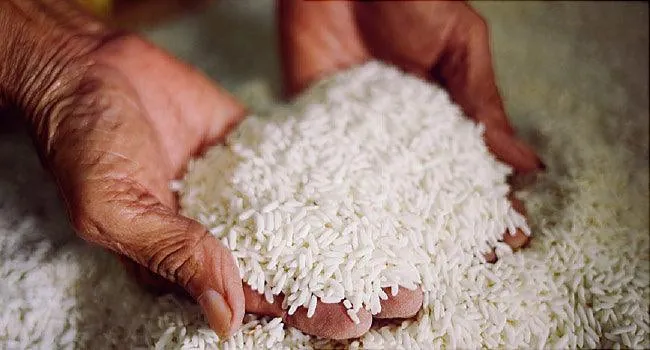
- Pour 1/4 cup of dry, white long-grain rice into the empty bean hopper. Don’t use parboiled, jasmine, or brown rice, as these are often too hard or contain moisture that can jam the burrs.
- Set your grinder to the coarsest setting. This allows the rice grains to pass through the burrs easily without getting stuck or putting unnecessary strain on the motor.
- Turn the grinder on and let it run until all the rice has passed through the machine. You’ll see the white rice turn into a greyish powder as it collects the old coffee oils.
- If your grinder has a pulse button, pulse it a few times after the rice is gone to ensure no large grains remain trapped between the burrs.
- Turn off and unplug the grinder immediately after the rice has cleared. Leaving the machine running empty for too long can cause heat buildup in the motor.
- Use your brush to sweep out any remaining white powder from the exit chute. If you don’t remove the powder, your next cup of coffee will taste starchy and unpleasant.
- Vacuum the inside of the chamber to remove any fine dust that the brush couldn’t reach. Work slowly to avoid bumping the burrs with the hard plastic nozzle.
- Wipe the exterior of the grinder with a damp microfiber cloth to remove spilled coffee oils. Ensure the machine is completely dry before you plug it back in for use.
Signs of a successful clean
You’ll know the process worked when the exit chute is free of dark, oily coffee residue and the burrs appear clean to the eye. If you still see dark brown clumps or oily buildup, the rice didn’t reach all the areas of the grinding chamber.
You may need to repeat the process with a fresh 1/4 cup of rice, but never run more than two cycles back-to-back. If the machine feels hot to the touch, wait 30 minutes for the motor to cool down completely before trying again. If the rice remains clean and white after grinding, your machine is clear of old coffee buildup.
Troubleshooting common issues
| What happened | Why | What to do |
|---|---|---|
| Rice is stuck | Setting was too fine | Use a toothpick to dislodge |
| Grinder makes noise | Rice was too hard | Unplug and check burrs |
| Cloudy residue remains | Excess oil buildup | Brush out by hand |
| Motor smells hot | Overworked the machine | Let it cool down |
| Starchy taste persists | Powder left in chute | Wipe with dry cloth |
If the motor emits a burning smell, stop immediately as the motor may be overheating or experiencing an electrical fault. Stop immediately to prevent permanent coil damage.
When clearing a jam, never use metal tools. A steel pin can scratch the precision burrs, causing uneven grinds for the life of the machine. Use wood or plastic instead.
If you struggle to achieve a consistent texture, check the humidity in your kitchen. Rice absorbs moisture rapidly, which causes the grains to clump against the blades. If the air feels damp, dry your rice in a low-heat oven for five minutes before grinding.
Finally, ignore the urge to wash the grinding chamber with water. Avoid introducing moisture into the grinding chamber, as it can cause corrosion on metal burrs. If you see buildup, stick to a stiff, dry nylon brush to maintain the internal finish.
How often to clean your grinder
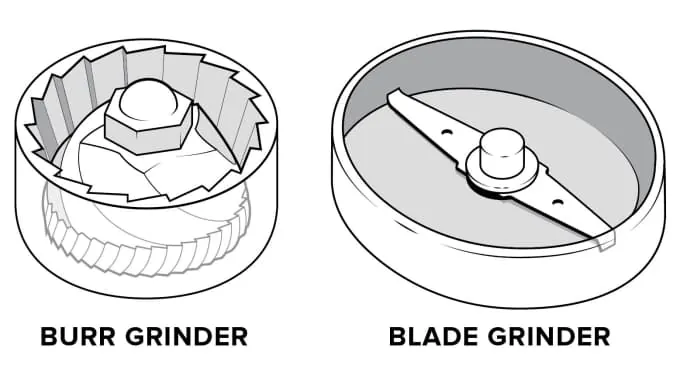
You should clean your grinder with rice every 3 to 6 months, depending on how often you brew coffee and the type of beans you use. Dark, oily roasts will require more frequent cleaning than light, dry roasts because they leave behind more sticky residue.
If you switch between different types of beans, such as moving from a flavored coffee to a regular roast, you should perform this cleaning to prevent flavor contamination. Always monitor the taste of your coffee; if it starts to taste bitter or rancid despite using fresh beans, it’s time to clean the internal chamber.
Frequently Asked Questions
Can I use brown rice instead of white?
No, you should only use white rice because brown rice contains higher levels of natural oils that can leave residue in the machine. Brown rice grains are more likely to jam the burrs or crack the plastic components inside the hopper.
Is it safe to leave rice dust in the grinder?
No, you must remove all rice dust because it will absorb moisture and turn into a paste inside your machine. This paste can grow mold or harden, which leads to motor failure or poor grinding performance over time.
How do I know if my grinder is broken?
If your grinder makes a grinding or clicking noise even after the rice is removed, the burrs may be misaligned or damaged. Unplug the unit immediately and consult the manufacturer’s support page to see if you can reset the burr calibration yourself.
Does this method replace deep cleaning?
No, this method only removes surface oils and dust from the burrs and chamber. You must still perform a full disassembly and deep clean at least once a year to remove stubborn debris that rice can’t reach.
What if my grinder manual says no rice?
If the manual forbids rice, don’t use it under any circumstances. Some manufacturers use ceramic burrs that are brittle and can shatter if they attempt to grind hard materials like raw rice.
How long does the rice take to clear?
The rice should clear in about 30 to 60 seconds of continuous grinding on a coarse setting. If it takes longer, your grinder is likely clogged with old coffee grounds and may need a manual cleaning before you try the rice again.
Does the rice sharpen the burrs?
No, rice can’t sharpen your grinder burrs because it lacks the abrasive strength required to alter metal. Running rice through your machine only cleans the surfaces rather than sharpening them.
Conclusion
Once you’ve cleared out the remaining dust, wipe the hopper with a dry cloth to keep everything fresh for your next brew. It’s a simple habit that’ll ensure your morning cup always tastes bright and delicious. Don’t forget to check your burrs occasionally to see if they need a deeper, manual scrub.