
You can maintain your coffee grinder by unplugging the unit and using a dry, soft brush to remove leftover grounds after every use. It’s easy to clean your Cuisinart coffee grinder by following a simple routine of brushing the burrs and wiping the exterior with a damp cloth. This method works well for owners who want to keep their machine running smoothly.
Essential Tools for Maintenance

You need a few basic items to keep your grinder in top shape. Using the right tools prevents damage to the delicate burr assembly.
- A soft-bristle brush, like a dedicated coffee cleaning brush or a clean, dry toothbrush.
- A soft, lint-free microfiber cloth for wiping the outside.
- A small amount of mild dish soap, only if you must wash the removable hopper or bin.
- A dry paper towel to soak up any excess moisture before reassembly.
- Compressed air for reaching tight corners if you have a very dusty machine.
Avoid using harsh chemicals or abrasive sponges, as these can scratch the plastic parts. Most parts aren’t dishwasher safe, so hand washing is the only way to protect them from warping or heat damage.
Steps to Clean Your Cuisinart Coffee Grinder
- Unplug the unit from the power source completely. Never attempt to clean any electrical appliance while it’s connected to a live outlet, as this poses a shock risk.
- Remove the bean hopper and the grind chamber. Most models feature a simple twist-and-lift mechanism for these parts.
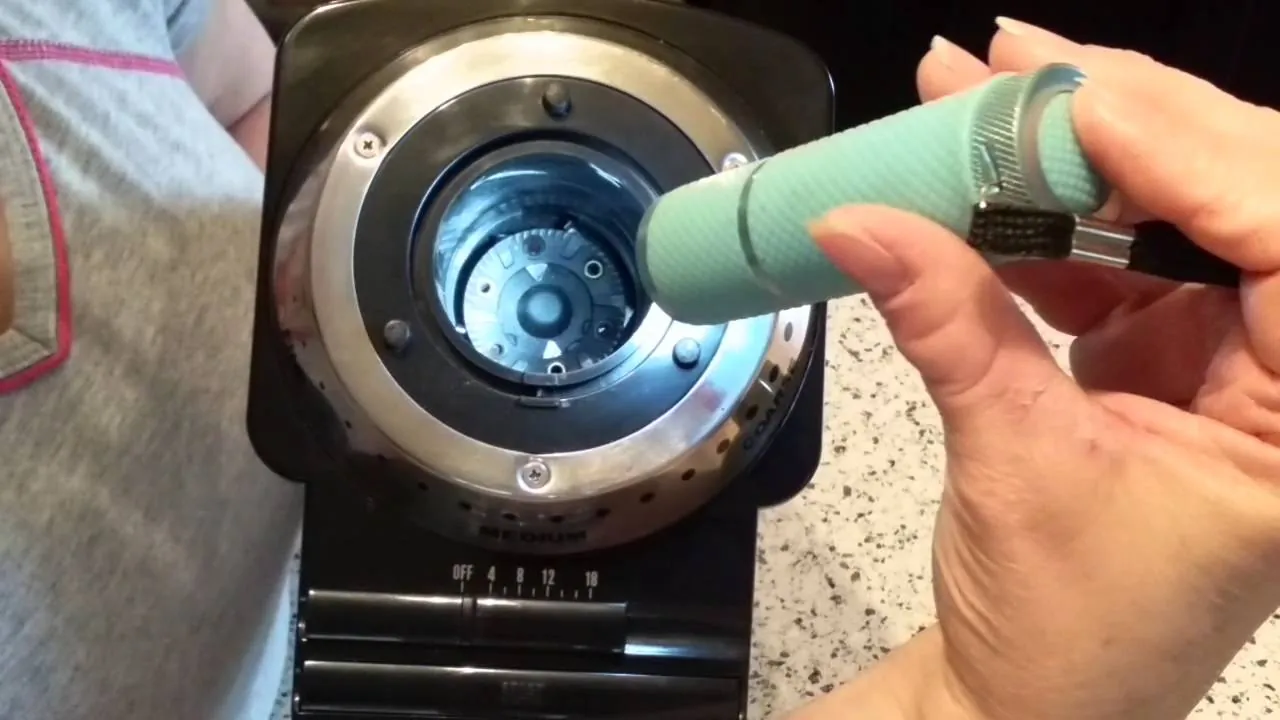
- Brush away loose coffee dust from the burrs using your soft brush. Work in circular motions to dislodge stuck particles.
- Wipe the inside of the housing with a dry cloth. Don’t use water inside the motor area, as moisture will damage the internal electronics.
- Wash the removable hopper and grind bin in warm, soapy water if they look oily. Ensure these parts are 100% dry before putting them back on the unit.
- Reassemble the machine by aligning the tabs on the hopper with the base. Turn it until it clicks firmly into the locked position.
Tip: If the burrs are very clogged, hold the grinder over a trash bin while brushing to catch the falling debris.
Careful: Never submerge the motor base in water. If you get water inside the base, stop immediately and let it air dry for at least 24 hours before trying to use it again.
Cleaning Frequency and Effort
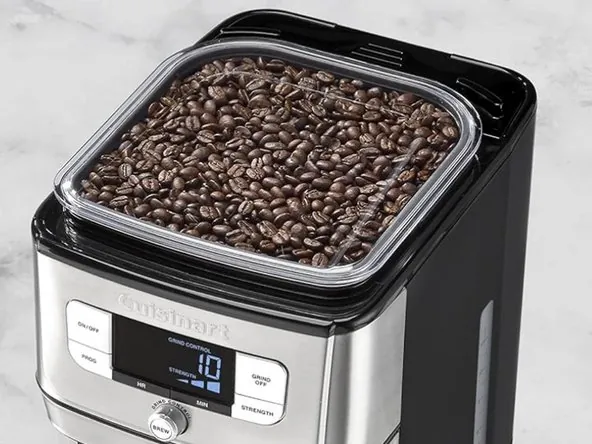
The time you spend cleaning depends on how often you use your machine. Regular maintenance keeps your coffee tasting fresh.
| Usage Level | Time Required | Frequency | What to Watch For |
|---|---|---|---|
| Daily Use | 2 minutes | After every batch | Loose grounds near the chute |
| Weekly Use | 5 minutes | Once per week | Coffee oil buildup on bin |
| Monthly Deep Clean | 15 minutes | Every 30 days | Stuck particles in burrs |
Always start with a quick wipe and only perform a deep clean if the output becomes uneven. Starting with a small, gentle clean prevents you from over-handling the internal parts.
Judging Your Cleaning Results
A clean grinder should show no visible coffee dust in the burr teeth or the chute. The hopper should look clear and feel smooth to the touch, not sticky or oily. If you still see dark brown residue, use your brush again to reach the edges where the burrs meet the housing.
Run a small handful of dry, light-roast beans through the machine after reassembly. If the resulting grounds appear uniform and smell only of fresh coffee, your cleaning was successful. If the grounds emerge with dark, clumpy flecks, you have missed a buildup of oils in the lower burr carrier.
Poor cleaning results often show up as bitter, stale-tasting coffee. This happens because old oils turn rancid, ruining the flavor of your fresh beans. Keep the grind chamber dry; moisture encourages old grounds to clump and stick to metal surfaces.
Maintenance Rules and Storage
Follow the manufacturer’s guidelines for safe operation. Once you finish cleaning, store the cord wrapped loosely around the base or tucked into the built-in storage compartment.
Tight coils cause internal wire fraying over time. If the cord feels warm after use, let it reach room temperature before wrapping it. Keep your grinder in a cool, dry cupboard away from the stove or sink.
If you don’t plan to use the machine for more than a week, empty the hopper completely. Oils from the beans turn rancid and coat the burrs, creating a bitter film that ruins future batches. If you ever notice a burning smell or unusual noise, stop using the unit immediately. These signs indicate a failing capacitor or motor bearing, which can lead to total unit failure.
Alternative Cleaning Methods
Using Rice
Some people run dry white rice through the grinder to pick up oils. This is only for extreme cases, as it puts stress on the motor. Only use a small handful of plain, uncooked white rice, then discard the output and brush out any remaining starch dust thoroughly.
Vacuuming
Use a small handheld vacuum with a narrow nozzle to pull out grounds from the chute. This is faster than brushing but requires a steady hand. Ensure the vacuum nozzle doesn’t touch the burrs directly, as metal-on-metal contact can dull the edges of your grinder.
Professional Servicing
If the burrs are stuck or the machine won’t turn on, you might need professional help. Don’t try to unscrew the internal motor housing yourself, as this voids your warranty. Contact a local small appliance repair shop if the machine requires internal mechanical adjustments.
Related guides
- Cutting Pipe With Grinder: Expert Tips for Precise, Clean Cuts
- How to Use a Coffee Grinder? Expert Tips for Perfect Coffee Every Time
- How Much is a Coffee Bean Grinder? Affordable Options Revealed
Frequently Asked Questions
Can I use water to clean the burrs?
No, you should never use water on the burrs. Moisture causes rust on the metal parts and can lead to electrical failure if it leaks into the motor. Use only a dry brush to remove grounds and wipe the area with a dry cloth to keep everything in working order.
How often should I deep clean the grinder?
You should perform a deep clean once every month if you grind coffee every day. This involves removing the hopper and burrs to clear out old oils. If you use the grinder less often, you can wait until you notice the grind consistency becoming uneven or the coffee tasting bitter.
What happens if I get the motor base wet?
Water inside the motor base can cause a short circuit or permanent damage to the machine. If this happens, unplug it immediately, wipe off the exterior, and let it sit in a dry, ventilated area for 24 hours. Never plug it back in until you’re certain the interior is completely dry.
Is it safe to use soap on the hopper?
Yes, it’s safe to wash the removable hopper and the grind bin with mild dish soap. Ensure you rinse them thoroughly and dry them completely with a soft towel before reattaching them to the machine. Never use soap on the motor base or the parts that contain the electrical burr assembly.
How do I know if the burrs are dull?
Burrs are dull when they take significantly longer to grind the same amount of beans. If you find yourself waiting more than 60 seconds for a standard hopper load to finish, the burrs may need to be replaced. Check the manufacturer’s website for replacement parts that match your specific model number.
Conclusion
Keeping your coffee grinder clean is the best way to ensure every cup of coffee tastes as good as the first. By sticking to a dry-cleaning routine and keeping the motor base away from moisture, you’ll extend the life of your appliance significantly. Regular care prevents the buildup of rancid oils, ensuring your daily brew stays fresh and delicious for years.