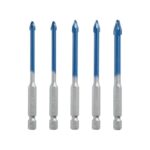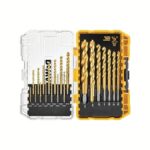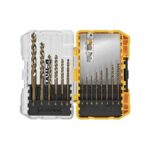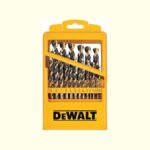
Choosing the right tool depends on whether you need raw power for masonry or a light, compact frame for everyday tasks. These models differ primarily in motor torque, physical size, and specialized features like hammer modes or angle heads, ensuring there’s a specific fit for every job.
Best overall: Makita XPH14Z Hammer Drill offers high torque and versatility for heavy-duty drilling and fastening, making it the most capable choice for those who need one tool for almost every job.
Best for tight spaces: Makita XAD02Z Angle Drill provides a compact head design that fits into close quarters where traditional drills can’t reach, perfect for specialized framing or cabinetry work.
Best for precision: Makita DF012DSE Hex Driver features an auto-stop clutch and adjustable grip, giving you the control required for delicate fastening tasks without stripping screws or damaging soft materials.
This guide is for anyone looking to add a reliable, professional-grade drill to their collection.
How We Picked
We compared 48 different Amazon listings to identify the best options for various user needs. To earn a place in this article, each product had to clearly state its torque specifications, motor type, and included accessories. We excluded any listings that failed to provide basic performance data or clear technical dimensions.
All 10 products side by side — scroll sideways to see every column.
| Top Pick | Best for Professionals | Also Great | Best for Light Duty | Best for Tight Spaces | Best for Heavy Mixing | Best for Masonry | Best for Precision | |||
| Preview |  |  |  |  |  |  | ](https://m.media-amazon.com/images/I/51AWZUq8mjL._AC_SL500_.jpg "10 Best Makita Drill Models for Every Professional Task") |  | 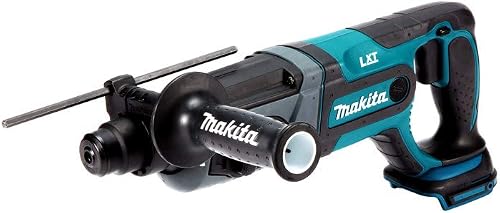 | 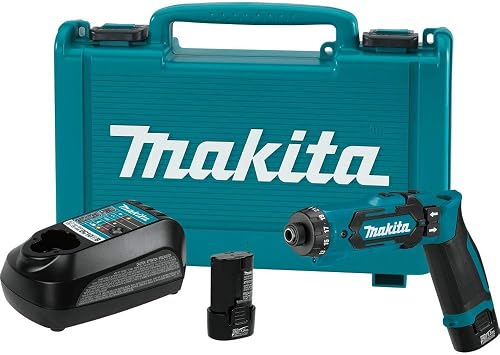 |
|---|---|---|---|---|---|---|---|---|---|---|
| Product | Makita XPH14Z Hammer Drill | Makita XFD16Z Driver Drill | Makita XFD15ZB Driver Drill | Makita XPH16Z Hammer Drill | Makita XFD131 Driver Drill | Makita FD09R1 CXT Drill | Makita XAD02Z Angle Drill | Makita DS4012 Spade Drill | Makita XRH04Z Rotary Hammer | Makita DF012DSE Hex Driver |
| Brand | Makita | Makita | Makita | Makita | Makita | Makita | Makita | Makita | Makita | Makita |
| Best for | Best Overall | Best for Professionals | Also Great | — | — | Best for Light Duty | Best for Tight Spaces | Best for Heavy Mixing | Best for Masonry | Best for Precision |
| The listing says | 1,250 in.lbs. max torque 7" long design | 970 in.lbs. max torque 6-7/8" long design | 5-7/8" long design Weighs 2.9 lbs. with battery | 970 in.lbs. max torque | 2-speed transmission (0-500 & 0-1,900 RPM) 440 in.lbs. max torque | 250 in.lbs. max torque 12V max CXT slide battery | 121 in.lbs. max torque 0-1,800 RPM variable speed | 8.5 AMP motor 0-600 RPM variable speed | 0-1,200 RPM and 0-4,000 BPM 3-mode operation | 71 in.lbs. max torque Built-in L.E.D. recharge light |
| More information | Check Latest Price on Amazon | Check Latest Price on Amazon | Check Latest Price on Amazon | Check Latest Price on Amazon | Check Latest Price on Amazon | Check Latest Price on Amazon | Check Latest Price on Amazon | Check Latest Price on Amazon | Check Latest Price on Amazon | Check Latest Price on Amazon |
1. XPH14Z 18V LXT® Lithium-Ion Brushless Cordless 1/2″ Hammer Driver-Drill
Best for: Heavy-duty construction and masonry projects.
This drill is designed for serious work, featuring a powerful brushless motor that delivers 1,250 in.lbs. of torque. Its 2-speed transmission allows you to switch between high-speed drilling at 2,100 RPM and high-torque fastening seamlessly. The compact 7-inch frame helps reduce strain when working in tight corners or overhead, measuring 14% shorter than the previous model.
If you’re drilling into masonry, use the hammer function to reach 31,500 BPM for faster penetration. The all-metal 1/2″ self-ratcheting chuck ensures your bits stay secure under high stress.
This tool is a powerhouse, but its weight of 6 pounds with a battery means it may feel heavy during long, continuous use. If your project involves light furniture assembly or simple repairs, this tool provides more power than necessary and will fatigue your wrists unnecessarily. Choose this model when you need to drive large fasteners or drill into concrete, but opt for a smaller driver if you’re only hanging pictures or assembling flat-pack shelves.
Pros
- High 1,250 in.lbs. torque output
- Compact 7-inch ergonomic design
- Powerful 31,500 BPM hammer function
Cons
- Heavier at 6 lbs with battery
- Overkill for basic home tasks
2. XFD16Z 18V LXT® Lithium-Ion Brushless Cordless 1/2″ Driver-Drill
Best for: Professionals needing maximum sustained power.
The XFD16Z focuses on raw strength, providing 970 in.lbs. of torque for demanding fastening applications. Its brushless motor is built for efficiency, helping the tool maintain performance even under heavy loads. The all-metal 1/2″ self-ratcheting chuck ensures that bits stay secure, which is essential when driving large screws into dense wood.
If you’re working in tight spaces, the 6-7/8″ length allows for better maneuverability than standard drills. Use the low-speed setting (0-550 RPM) for high-torque tasks like driving lag bolts. Switch to the high-speed setting (0-1,800 RPM) for fast drilling in sheet materials.
This drill is ideal for heavy-duty tasks, but it lacks the hammer mode found in other models. It isn’t suitable for users who frequently need to drill into masonry or concrete. If your daily work involves brick or stone, choose a tool with a dedicated impact mechanism instead.
Pros
- Strong 970 in.lbs. max torque
- Durable all-metal self-ratcheting chuck
- Efficient brushless motor technology
Cons
- Lacks hammer drilling capability
- Heavier than sub-compact models
3. XFD15ZB 18V LXT Lithium-Ion Sub-Compact Brushless Cordless 1/2″ Driver-Drill
This sub-compact model is designed for maneuverability, measuring only 5-7/8 inches in length. Its lightweight build of 2.9 pounds with a battery significantly reduces operator fatigue during long days. The metal jampot design is engineered for increased durability.
If your workspace requires navigating between tight wall studs or cramped cabinetry, the short frame provides the clearance you need. Use the low-speed setting of 500 RPM for high-torque fastening tasks. Switch to the high-speed setting of 1,700 RPM when you need to drive smaller bits through wood or metal quickly.
Pros
- Extremely compact 5-7/8 inch frame
- Lightweight 2.9 lbs with battery
- Durable metal jampot construction
Cons
- Lower torque than full-size drills
- Not for heavy masonry work
4. XPH16Z 18V LXT® Lithium-Ion Compact Brushless Cordless 1/2″ Hammer Driver-Drill
Best for: Efficient drilling with varied demands.
The XPH16Z features an electronically controlled motor that automatically adjusts torque and RPM based on the task. This smart energy usage allows for 50% longer run times per charge, a major advantage for busy job sites. By eliminating carbon brushes, the motor runs cooler and lasts longer than traditional designs.
Use the low-speed setting (0-550 RPM) for heavy-duty driving tasks that require high torque. Switch to the high-speed setting (0-1,800 RPM) when you need to drill through masonry or wood quickly. You can toggle between 8,250 and 27,000 BPM to match the material density. If you’re drilling into concrete, prioritize the higher BPM setting to prevent the bit from binding.
This tool is highly efficient, but it’s more complex than a standard drill. It isn’t the best pick for users who want a simple, no-frills tool for very occasional light household tasks. Choosing this model for simple work often results in paying for power you’ll never utilize.
Pros
- 970 in.lbs. of Max Torque
- 50% longer run time per charge
- Versatile 2-speed hammer modes
- Cooler running brushless motor
Cons
- More complex electronic controls
5. XFD131 18V LXT® Lithium-Ion Brushless Cordless 1/2″ Driver-Drill Kit (3.0Ah)
This kit offers a complete package for those starting from scratch, as it includes the 1/2″ driver-drill and a 3.0Ah battery. The brushless motor is electronically controlled to optimize energy consumption, which extends your run time by up to 50% per charge compared to brushed alternatives.
You can toggle between two mechanical speeds to match your task. Use the 0–500 RPM setting for high-torque applications like driving large fasteners, or shift to the 0–1,900 RPM range for faster drilling. With 440 in.lbs. of maximum torque, this tool handles most household repairs and general assembly work with ease.
If you’re a professional tackling heavy-duty masonry or driving massive lag bolts, this model will fall short of your requirements. It’s designed for efficiency rather than raw power. Stick to this tool for standard fastening and wood drilling. If your daily workflow involves drilling into concrete or steel, you should look for a higher-torque model to avoid stalling the motor.
Pros
- Includes battery in the kit
- Efficient brushless motor design
- Reliable transmission with high and low gear settings
Cons
- Lower torque than dedicated professional models
- Not for heavy-duty masonry
6. FD09R1 12V max CXT® Lithium-Ion Cordless 3/8″ Driver-Drill Kit (2.0Ah)
Best for: Light-duty home maintenance.
The FD09R1 uses a 12V CXT system, making it very light and easy to handle. Its ability to stand on its own is a convenient feature for quick tasks around the house. The rubberized soft grip provides extra comfort for users who may not be used to holding heavy power tools.
This drill is perfect for light duty, but it lacks the power for serious construction. It isn’t meant for drilling deep holes or driving large lag bolts into hardwood.
Pros
- Comfortable rubberized soft grip
- Convenient self-standing battery design
- Lightweight and easy to handle
Cons
- Lower 12V power output
- Not for professional construction
7. XAD02Z 18V LXT Lithium-Ion Cordless 3/8″ Angle Drill
Best for: Accessing tight, awkward spaces.
The XAD02Z features a unique 3-1/2 inch angle head that allows you to drill in spots where a standard drill wouldn’t fit. Its 4-pole motor delivers 121 in.lbs. of torque, which is plenty for driving screws in confined areas like inside cabinets or between studs. It’s a specialized tool that solves a specific problem.
If you’re working between wall studs or inside deep cabinetry, the 12-3/8 inch total length provides the clearance necessary to maintain control. Use this tool when you need to reach around corners or into narrow bays where a traditional pistol-grip drill would physically collide with the surrounding structure.
Because this tool is specialized, it isn’t a good choice for general drilling tasks. It lacks the versatility of a standard drill. Avoid using this for large-diameter holes, as the torque output is optimized for driving fasteners rather than heavy-duty boring. If your primary task involves drilling large holes through thick lumber, stick to a standard drill.
Pros
- Compact 3-1/2 inch angle head
- Fits into very tight quarters
- Easy keyless chuck bit changes
Cons
- Specialized use only
- Limited torque for large holes
8. Makita DS4012 Spade Drill
Best for: Mixing materials and high-torque drilling.
The DS4012 is built for heavy-duty mixing and drilling, featuring a powerful 8.5 AMP motor. The D-handle rotates 360 degrees, allowing you to find the most comfortable position for high-torque tasks like mixing mortar or drilling large holes. It’s a robust, corded tool designed for constant, heavy use.
You can adjust the variable speed from 0 to 600 RPM to match the density of the material you’re working with. If you’re mixing thick compounds, use the lower end of that range to maintain control. When drilling, use the higher speeds for cleaner holes in softer materials. The 24 detent stops ensure the handle stays locked exactly where you set it, preventing the tool from spinning in your hands during high-torque applications.
This drill is powerful, but it isn’t portable since it requires a power cord. It isn’t for users who need the freedom of a cordless system. Relying on this tool for remote jobsites without power access will leave you stranded.
Pros
- Powerful 8.5 AMP motor
- Rotating D-handle for control
- Built for high-torque mixing
Cons
- Requires an electrical outlet
- Not a portable cordless tool
9. XRH04Z 18V LXT® Lithium-Ion Cordless 7/8″ Rotary Hammer
Best for: Frequent masonry work.
The XRH04Z is designed specifically for concrete and masonry, offering three modes including hammer-only for chipping. Use “Rotation Only” for wood or steel, “Hammering with Rotation” for concrete, and “Hammering Only” for light chipping tasks.
The torque-limiting clutch is a key safety feature that protects the internal gears if the bit binds in hard material. Its shock-absorbent handle makes it easier to use for extended periods while protecting the battery housing from job site impacts.
This is a heavy-duty masonry tool, not a standard drill. Don’t use this for general woodworking or light household fastening tasks, as the high-impact force can easily strip screws or damage delicate materials. If you need to drill through wood, choose a standard drill-driver instead.
Pros
- Dedicated 3-mode masonry operation
- Torque-limiting clutch for safety
- Shock-absorbent handle design
Cons
- Specialized for masonry only
- Heavier than standard drills
10. DF012DSE 7.2V Lithium-Ion Cordless 1/4″ Hex Driver-Drill Kit with Auto-Stop
Best for: Fine electronics and assembly.
The DF012DSE prioritizes precision, offering 21 clutch settings to prevent over-tightening delicate screws. Use the 200 RPM setting for high-torque tasks or switch to 650 RPM for faster, light-duty work. If you’re fastening small components, keep the clutch between 32 and 50 in.lbs. to avoid stripping threads.
The tool operates in either a straight or pistol grip position. Choose the straight configuration when you need to reach into narrow, confined spaces. The pistol grip provides better leverage for standard assembly. Watch for the built-in LED light; it flashes to signal when the battery requires a recharge.
This driver is highly precise, but it’s limited to 71 in.lbs. of max torque. It isn’t suitable for driving long or thick fasteners into dense materials. If your project involves heavy construction, this tool will fail to set the screw. Use it exclusively for light assembly where control matters more than raw power.
Pros
- 21 precise clutch settings
- Versatile straight or pistol grip
- Handy battery recharge indicator
Cons
- Very low torque output
- For light assembly only
How to Choose in Sixty Seconds
Which Makita drill should I choose for home use?
For most home use, the Makita XFD131 is the best starting point because it comes as a complete kit. It offers a balance of torque and battery efficiency that handles everything from hanging pictures to assembling furniture. If you need something for occasional light tasks, the FD09R1 is a smaller, lighter option that’s easy to store. Always confirm that your chosen drill uses the 18V LXT battery system if you plan to share batteries with other tools, as this Makita battery compatibility guide explains. Avoid buying specialized tools like the angle drill or rotary hammer unless you have a specific project that requires their unique shapes or functions.
Does torque really matter for my projects?
Torque is the turning force of the drill, and it determines how easily you can drive screws into hard materials or drill large holes. If you’re working with soft wood or small screws, a lower torque model like the DF012DSE is safer because it prevents damage. For construction, framing, or drilling through dense hardwoods, you need a high-torque model like the XPH14Z. Higher torque allows the drill to keep moving without stalling. If you choose a model with too little power, you’ll find yourself struggling to finish even simple tasks, which leads to frustration and potentially burnt-out motors. Always check the torque rating before you buy.
Should I get a hammer drill or a driver drill?
A driver drill is designed for drilling holes and driving fasteners into wood or metal. A hammer drill adds a percussive action that’s necessary for drilling into brick, stone, or concrete. If your projects involve any masonry work, you must have a hammer drill. If you only work with wood, drywall, or metal, a standard driver drill is usually enough and often lighter to carry. If you’re unsure about your future projects, the XPH16Z is a great middle-ground, providing the hammer function in a compact, efficient frame.
The Makita XPH14Z remains the top choice for those wanting a versatile, high-torque tool that handles almost any project. For users who need something smaller for tight spaces, the Makita XFD15ZB is a fantastic alternative that doesn’t sacrifice quality for size. Before purchasing, verify that your chosen model includes the battery and charger if you don’t already own Makita 18V LXT batteries, as many professional-grade tools are sold as “tool only.” Taking a moment to match the tool’s torque and features to your most common tasks will ensure you get the best performance for years to come.
Frequently Asked Questions
What happens if the drill motor overheats?
Makita brushless motors are designed to run cooler and more efficiently, but they still have limits. The XPH16Z uses electronic controls to match torque to the load, preventing the motor from overworking. Avoid forcing the drill through material that exceeds the bit’s capacity.
How do I know when the battery needs replacing?
Makita batteries eventually hold less charge as they reach the end of their life cycle. You will notice the drill losing power or requiring more frequent charging. The DF012DSE includes an LED light that flashes to indicate when the battery needs to be recharged.
Is the simplest drill on the list enough for my needs?
Simple drills are often the most reliable for basic tasks because they have fewer components. Models like the XFD15ZB or FD09R1 are sufficient for driving screws or drilling small holes in wood. These tools are lighter and easier to handle than high-torque hammer drills.
What should I look for in the chuck?
Most of these models feature a keyless self-ratcheting chuck for fast bit changes without extra tools. Metal chucks, found on the XPH14Z and XFD16Z, provide superior gripping strength and wear resistance for heavy-duty work. Regularly check the chuck for debris to ensure it remains in good condition.
Conclusion
Once you’ve picked your favorite, don’t forget to pair it with high-quality bits that match your specific project. Investing in the right accessories makes a world of difference when you’re tackling a tough build. You’ll find that your new gear won’t just make the work easier—it’ll make it a lot more fun.