You can restore a dull drill bit by grinding a new edge at the correct angle using an angle grinder. This method works well for metal-cutting bits, provided you have a steady hand and a way to hold the bit securely. If the bit is made of carbide, you’ll need a diamond-grit wheel, as standard aluminum oxide wheels won’t cut it effectively.
Why drill bits lose their edge
A drill bit loses its cutting ability primarily because of heat and friction. When you drill into hard materials like steel, the tip generates intense heat that softens the metal, causing the cutting edge to round over or chip. Once the edge is dull, it no longer slices through the surface but instead rubs against it, which generates even more heat and ruins the bit faster.
Another factor is the clearance angle, which is the slope behind the cutting edge. If this angle is too shallow, the bit can’t bite into the material and will simply spin in place. If it’s too steep, the edge becomes thin and breaks easily under pressure. Maintaining the original factory angle is the key to a bit that lasts through many projects.
Grind the cutting edge carefully
To sharpen your bit, you need a bench vise to hold it firmly in place with the cutting edge pointing upward and exposed. Set your angle grinder with a thin metal-cutting or grinding disc and hold it so the wheel matches the original angle of the bit’s slope. If you’re uncertain about the angle, look at the unused end of the bit or a new bit of the same size to match the factory slope.
Keep a container of water nearby to cool the bit every few seconds during the process. If the metal turns blue or straw-colored, you have overheated it and lost the temper, making the steel soft and useless. Grind only a small amount of material at a time, moving in a smooth, consistent motion across the cutting face.
You’ll know it’s sharp when the edge is uniform, shiny, and free of any nicks or flat spots. This task requires a firm grip; if you can’t hold the grinder steady, don’t attempt this, as it may result in an uneven edge or injury.
Use a jig for consistency
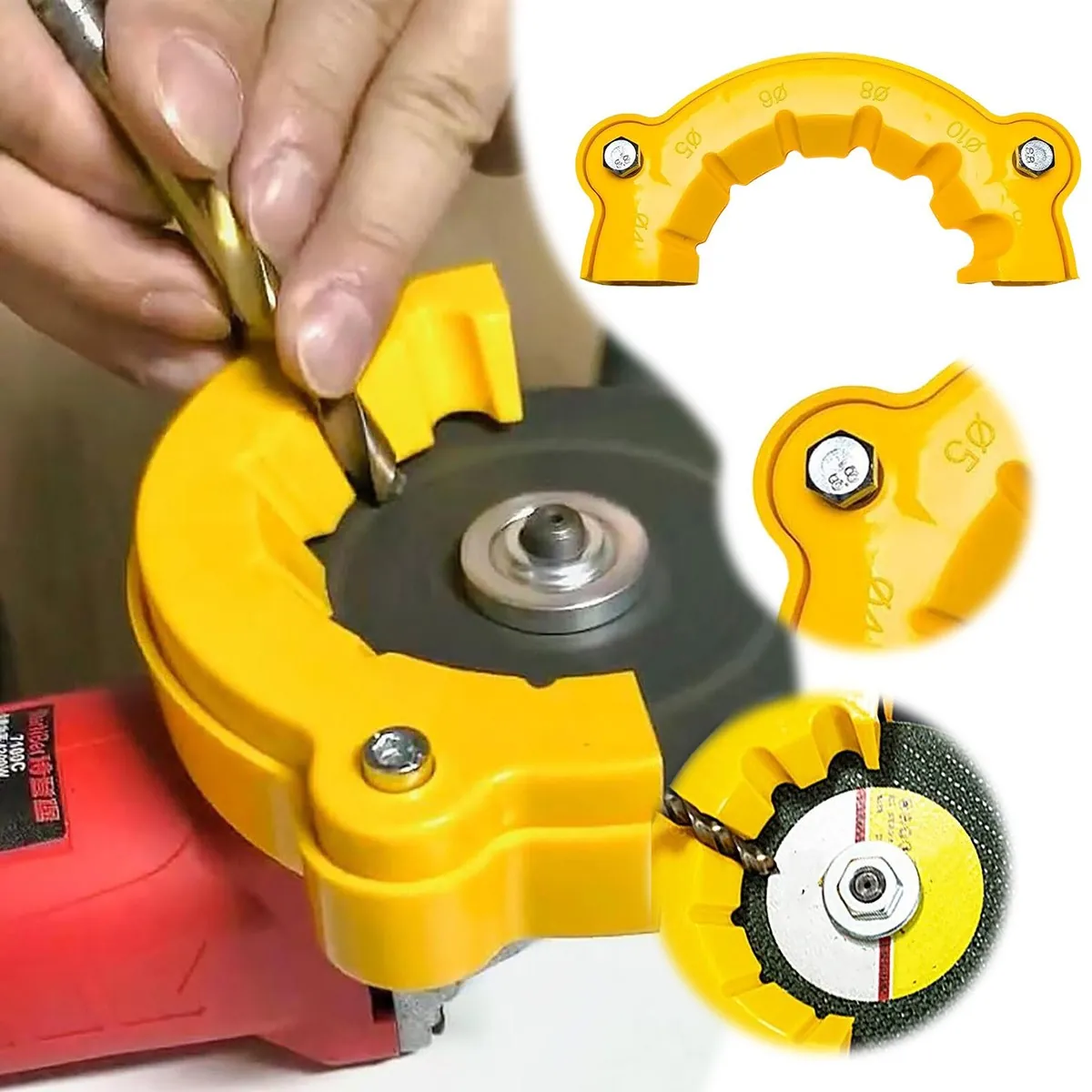
For better results, use a sharpening jig or a simple wooden guide block to keep the bit at a constant angle. A guide ensures that both sides of the drill bit are ground to the exact same length and angle, which is necessary for a straight hole. If one side is longer than the other, the bit will drill an oversized or wobbling hole.
Clamp your guide to your workbench so that the grinder can only travel along the correct path. Place the bit in the guide and perform the grinding in short, controlled bursts. Check your progress frequently by looking at the symmetry of the two cutting lips.
If you notice the bit is vibrating or the hole it produces is too large, your angles are likely off-center. Adjust the guide slightly and re-grind until the bit is balanced. This extra setup time pays off by giving you a tool that cuts as cleanly as a brand-new one.
Cool the bit to preserve temper
High-speed steel loses its hardness if it gets too hot during the sharpening process. Always keep a cup of water right next to your workspace so you can quench the bit every time you make a pass with the grinder. If you see the metal changing color, you’re working too fast and applying too much pressure.
This approach is best for larger bits, typically over 1/4 inch in diameter, where you have enough material to work with. For very small bits, the risk of burning the steel or snapping the tip is much higher, and it’s usually better to replace them.
If you aren’t confident in your ability to keep the bit cool, stop and let it sit for a minute. A bit that has been overheated will dull almost immediately upon the next use, so patience is your best tool here.
Common sharpening mistakes
- Grinding without cooling: This causes the steel to lose its hardness, making the bit dull almost instantly when you start drilling again.
- Changing the factory angle: If you grind the edge too flat or too steep, the bit will either fail to bite into the material or snap under pressure.
- Uneven grinding: Failing to grind both cutting lips equally causes the bit to wobble and drill holes that are larger than the diameter of the bit.
- Using the wrong disc: Using a coarse grinding wheel on small, delicate bits often removes too much material and ruins the geometry of the point.
Maintain your drilling tools
| If you’re doing this | Do this instead | Why |
|---|---|---|
| Pushing hard to drill | Sharpen the bit | Dull bits require excessive force |
| Drilling dry steel | Use cutting oil | Oil reduces friction and heat |
| Grinding until hot | Quench in water | Water prevents loss of metal temper |
| Guessing the angle | Use a guide block | Consistency ensures a straight hole |
Apply light pressure and let the cutting edge do the work. If you find yourself leaning your body weight into the drill, stop immediately. You’re likely burning the tip rather than cutting the material.
When working with hardened alloys, keep a magnet nearby to clear metal shavings from the hole. These chips act as abrasives that ruin your bit geometry in seconds.
If you’re drilling into stainless steel, use a slow speed and high torque. Running the drill too fast work-hardens the metal, making it impossible to penetrate. If the bit squeals or smokes, you’re moving too fast. Back off the speed, increase your pressure, and apply fresh oil. A properly maintained bit should produce clean, curly ribbons of metal rather than fine, gray dust.
Related guides
Frequently asked questions
How long does a sharpened bit last?
A sharpened bit lasts about 70% to 90% as long as a new one, depending on the quality of the original steel and how well you matched the factory angle. If you overheat the metal during sharpening, the lifespan drops significantly because the steel becomes softer. Always check for signs of dulling after every few holes to see if the edge is holding up.
Is it safe to sharpen bits this way?
It’s safe if you wear proper eye protection, secure the bit in a heavy-duty vise, and keep your hands away from the spinning disc. Always ensure the angle grinder has its safety guard attached and is unplugged when you’re changing discs. If you aren’t comfortable using high-speed power tools, take the bits to a professional sharpening service instead.
Can I sharpen carbide bits with a standard grinder?
No, you can’t use a standard aluminum oxide wheel because carbide is much harder than the abrasive material on the disc. You need a diamond-grit wheel to cut carbide effectively. Using a standard wheel will only wear down the disc and leave the carbide bit untouched, which is a waste of time and potentially dangerous for the tool.
How do I know if the angle is correct?
You can verify the angle by comparing your bit to a new one or by using a drill point gauge, which is a small metal tool designed to measure the 118-degree angle common for general-purpose bits. If you don’t have a gauge, look for a clean, consistent slope that matches the original factory grind. An incorrect angle will result in a bit that either skips or burns.
What happens if I grind one side more than the other?
If you grind one side more than the other, the bit will be off-center and will drill a hole larger than its own diameter. This creates a sloppy fit for screws or bolts and puts extra strain on your drill motor. You must ensure both cutting edges are exactly the same length and angle to keep the bit centered during operation.
Conclusion
Once you’ve finished, test your work on a piece of scrap wood or soft metal to ensure the point is centered. If the bit wanders or smokes, it’s likely off-balance and needs a quick touch-up. You’ll find that keeping your tools sharp makes every future project go much smoother.