You can restore a dull drill bit using a metal file or a diamond-coated sharpening stone, as sharpening drill bits without a grinder saves you from buying new tools.
Methods for sharpening drill bits
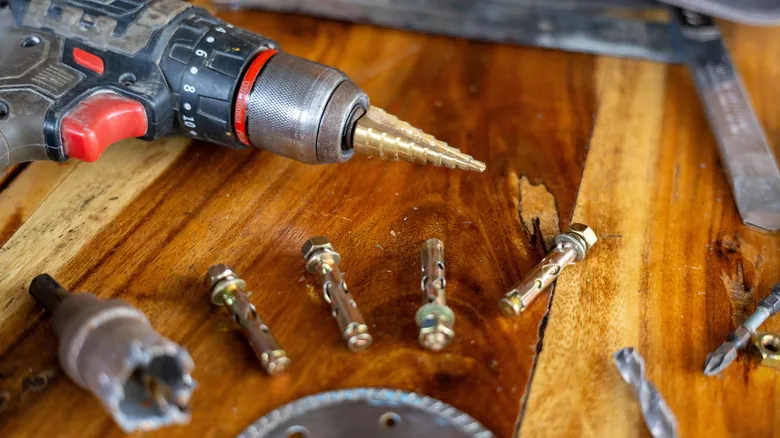
You have several ways to bring a dull bit back to life depending on the tools you own. Each method requires patience and a steady hand to maintain the original cutting angle.
| Method | How long | Effort | Cost | Best for |
|---|---|---|---|---|
| Metal file | 5-10 mins | High | Low | Quick fixes |
| Diamond stone | 3-7 mins | Medium | Low | Small bits |
| Sharpening jig | 2-4 mins | Low | Medium | Accuracy |
If you’re sharpening a standard twist bit, aim for a 118-degree angle at the tip. Use a protractor gauge to check your work; if the angle is too shallow, the bit will slide across the surface rather than biting into the metal.
Most beginners ruin their bits by overheating the steel during grinding. If the metal turns blue, the temper is lost and the edge will dull almost instantly upon use. Keep a cup of water nearby and quench the bit every five seconds to preserve its hardness. If you can’t see a clean, symmetrical “V” shape at the tip, stop grinding and reset your angle.
Using a metal file to restore the edge
A metal file is the most accessible tool for this job. Use a fine-tooth mill file to ensure you don’t remove too much material at once.
- Secure the drill bit firmly in a bench vise, leaving only the tip exposed.
- Hold your file at the same angle as the original cutting edge, which is typically 59 degrees for standard steel.
- Stroke the file away from the cutting edge in one direction only, matching the original slope of the bit.
- Rotate the bit and repeat on the other side to keep the tip centered.
This method is perfect for large bits where precision is less critical than immediate use. The main weakness is that it’s difficult to keep the two cutting edges perfectly even, which may cause the bit to wander when drilling. If you’re working with high-speed steel, ensure you wear safety glasses to protect your eyes from metal filings, as advised by the Occupational Safety and Health Administration.
Sharpening with a diamond stone
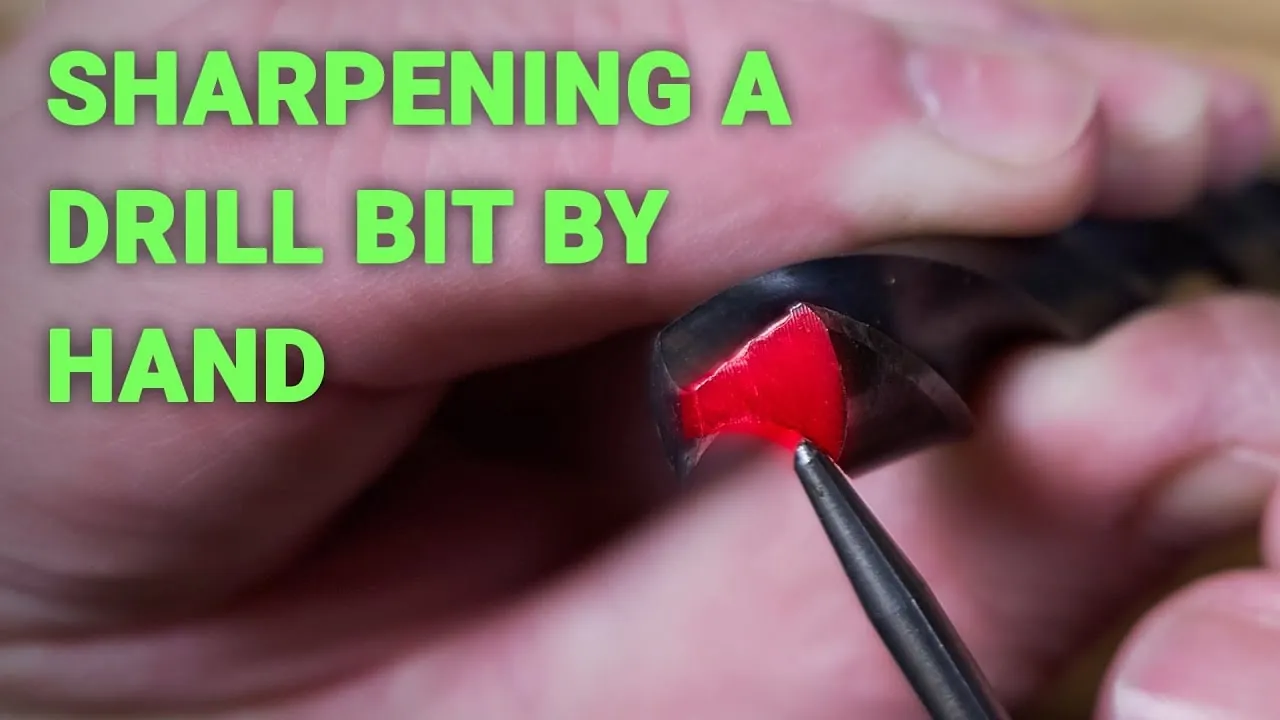
Diamond stones provide a smooth, controlled finish that’s superior to a file. This is ideal for smaller bits where you need more control over the metal removal.
- Lay the diamond stone flat on your workbench to create a stable surface.
- Place the cutting edge of the bit against the stone at the 59-degree angle.
- Draw the bit across the stone in a smooth, sliding motion while maintaining the angle.
- Check the tip frequently; if the center point is off-center, the bit will cut a hole larger than its own diameter.
This technique is excellent for bits that are only slightly dull. A major trade-off is the time it takes, as diamond stones remove material slowly compared to mechanical methods. If you aren’t careful, you might overheat the metal, which softens the steel and ruins the bit’s hardness.
Using a drill bit sharpening jig
A jig is a small tool that holds the drill bit at the exact right angle for you. It takes the guesswork out of the process and ensures both sides are identical.
- Insert the drill bit into the jig and tighten the locking screw according to the tool’s markings.
- Align the jig’s guide against a flat surface or a sharpening stone.
- Slide the jig back and forth across the abrasive surface until the edge is bright and sharp.
- Flip the jig to the second side and repeat the process using the same number of strokes.
This is the best method for beginners because it guarantees the correct geometry every time. The downside is that these jigs are often limited to specific bit sizes. If your bit is larger than the jig’s capacity, you’ll need to switch to a manual method.
Which sharpening method to choose
When you’re in a hurry, use a metal file to quickly touch up the edges so you can finish your task. This method removes material aggressively, which is ideal for clearing debris or fixing minor nicks in the field.
If you’re doing this for the first time, a sharpening jig is the best choice because it locks the angle in place. Beginners often ruin their tools by rocking the blade, which rounds over the cutting edge and makes it useless. A jig forces a consistent 59-degree angle, ensuring you never have to guess the angle.
If you want the best possible result, use a diamond stone to create a polished edge. Diamond plates cut faster than traditional water stones and stay perfectly flat over years of use. If your tool feels dull after ten minutes of work, use the file. If you’re preparing for a long-term project, use the stone.
Essential rules for drill maintenance
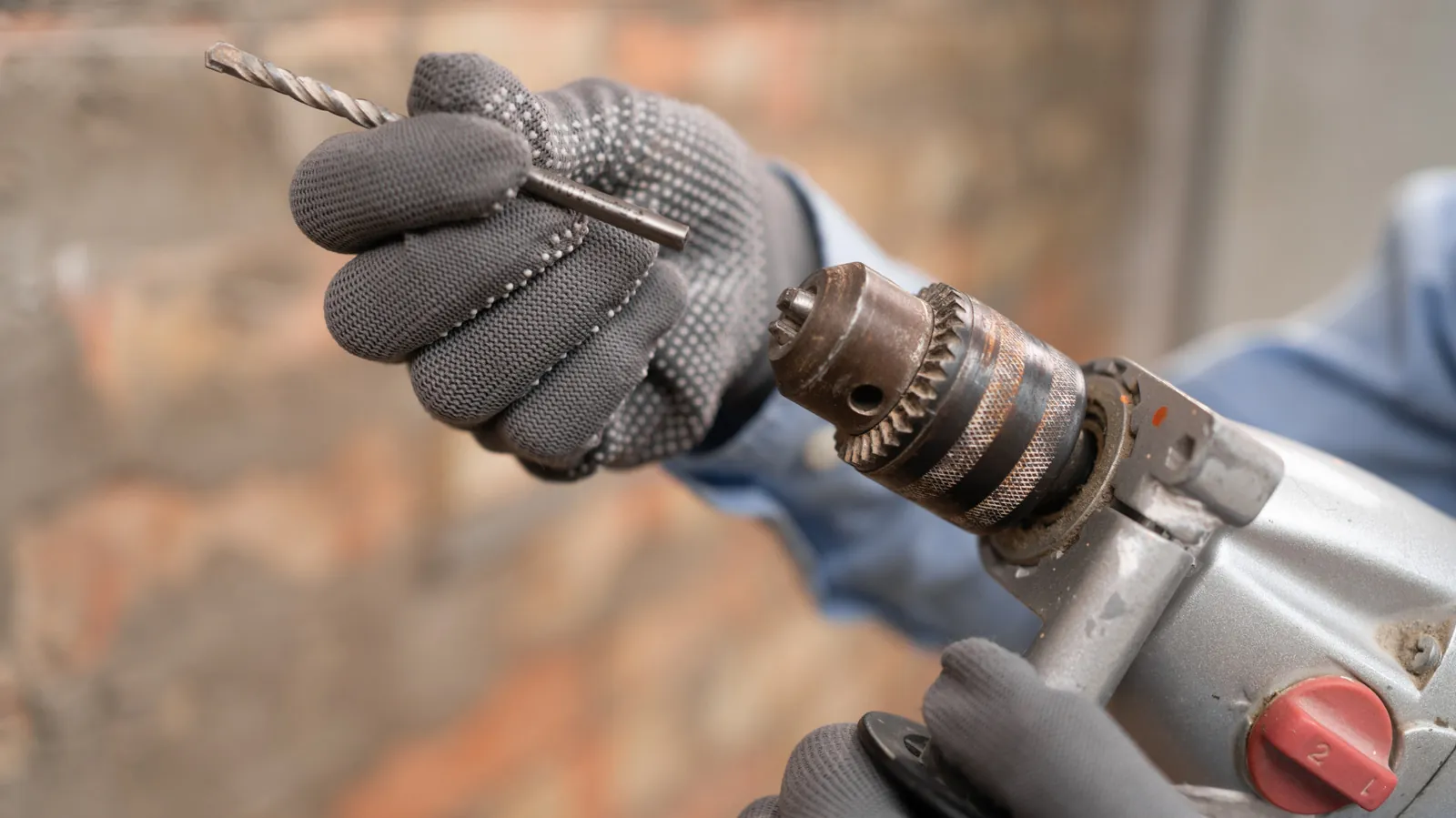
Regardless of the method you choose, you must maintain the correct tip angle to ensure the bit cuts properly. The standard angle for most materials is 118 degrees, which means each side of the point should be 59 degrees from the center line.
Before you begin, inspect the bit for cracks or blue discoloration. Blue tints indicate the metal has already been overheated and weakened, meaning the temper is lost. If you see this, replace the bit rather than sharpening it. A soft, brittle bit will snap under pressure, potentially causing injury.
Always use a light touch during the sharpening process. Removing too much metal at once generates excessive heat and shortens the tool’s lifespan. If you’re drilling hardened steel, increase your angle to 135 degrees to prevent the tip from skating across the surface. If you’re working with soft wood or plastic, stick to the 118-degree standard to maintain a clean, aggressive bite.
Related guides
- 9 Best Bench Grinder for Sharpening: Enhance Precision and Durability Effortlessly
- 10 Best Die Grinder Bits for Precision Metal, Wood, and Stone Work
- 10 Best Stained Glass Grinder for Sale: Top Mini Machines with Diamond Bits
Frequently asked questions
Can I sharpen a cobalt drill bit by hand?
Yes, you can sharpen cobalt bits, but they’re very hard and require a diamond stone rather than a standard metal file. Because cobalt is brittle, you must be careful not to apply too much pressure or the tip may chip during the sharpening process.
How long does a sharpened bit stay sharp?
It depends on the hardness of the material you’re drilling and the speed of your drill. When drilling soft wood, a sharpened bit can last for hundreds of holes, but when drilling through hardened steel, the edge may dull after only a few minutes of use.
Why does my drill bit wander after sharpening?
It wanders because the two cutting edges aren’t even, meaning one side is doing more work than the other. You can fix this by using a small gauge to check that both sides of the bit are the exact same length and angle from the center point.
Is it safe to sharpen bits without a grinder?
Yes, it’s safer than using a high-speed grinder because you’re less likely to overheat the steel or lose control of the tool. Always wear safety glasses, as small metal shards can fly off during the filing or grinding process and cause serious eye injury.
What happens if I sharpen the bit at the wrong angle?
If the angle is too flat, the bit will rub against the material instead of cutting into it. If the angle is too steep, the cutting edge will be too thin and will break or chip the moment it touches the surface of the metal.
How do I know if the bit is sharp enough?
You can test the edge by gently pressing it against your thumbnail; a sharp bit will grip the nail surface immediately without sliding. If the bit slides off your nail, the edge is still rounded and requires more strokes on your stone or file.
Conclusion
Once you’ve finished, test your bit on a scrap piece of wood to ensure it cuts cleanly. If it still feels sluggish, just give it another light pass with your file. You’ll find that keeping your bits sharp makes every future project go much smoother, so don’t hesitate to maintain them regularly.