Skip to content
You love the rich aroma of freshly ground coffee, but maybe you don’t have an electric grinder handy—or you want more control over your brew. That’s where a hand coffee grinder comes in.
Using one might seem tricky at first, but once you know the simple steps, you’ll enjoy grinding your own beans anytime, anywhere. Imagine waking up to the perfect grind that matches your favorite brewing style, delivering bold flavor with every cup.
Ready to master the art of hand grinding? Let’s dive into how you can easily use a hand coffee grinder to elevate your coffee experience.
You May Like

- 40 EXTERNAL ADJUSTABLE GRIND SETTINGS – Unlike traditional grinders with…
- MINI & PORTABLE DESIGN – Weighing only 325g and measuring 6.7×2.3×7.4in,…
- CONICAL CERAMIC BURR – Ceramic burrs provide a more uniform grind and…
- 30G BEAN CAPACITY – With a 30g capacity, this grinder allows you to grind…
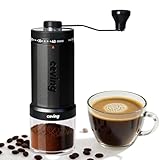
- Tired of small batches? Meet the world’s first manual grinder with a…
- 40 EXTERNAL SETTINGS – DIAL IN PERFECT BREWS INSTANTLY. Our external…
- MASTER-LEVEL PRECISION – LAB-ACCURATE GRINDS, BARISTA-APPROVED FLAVOR. Each…
- CERAMIC CONICAL BURR – KEEP FLAVOR PURE, GRIND CONSISTENTLY. Unlike…

- ENJOY THE PERFECT CUP OF FRESH COFFEE ― The Manual Coffee Grinder by…
- CONVENIENT, PORTABLE, AND EASY-TO-USE ESPRESSO GRINDER ― The hand crank…
- THE BEST WAY TO START YOUR DAY ― This manual coffee bean grinder is…
- TREAT YOURSELF TO THE HIGHEST QUALITY MANUAL COFFEE GRINDER THAT IS BUILT…

- [ C3 Upgraded to C3S Full Metal Aluminum Body ] Crafted with an all-metal…
- [ S2C Patent Hexagonal Conical Grinding Burr ] The TIMEMORE Manual Coffee…
- [ Well Labor Saving Performance ] The smoother movement is realized as the…
- [ Adjustable Precise Coarseness ] Coarseness of coffee grinder manual…

- PARACITY manual coffee grinder comes with two clear glass jars, convenient…
- The coffee grinder has a ceramic burr which ensures a precise, uniform…
- PARACITY manual coffee grinder with adjustable control help you get fine or…
- Lengthen stainless steel handle save your effort when grinding beans. With…
Choosing Your Grinder
Selecting the right hand coffee grinder sets the foundation for great coffee. The grinder affects grind size, flavor, and ease of use. A good grinder fits your brewing style and daily routine. Understanding types and key factors helps you pick the best one.
Types Of Hand Grinders
Hand grinders mainly come in two types: burr and blade. Burr grinders crush beans between two surfaces for even grind size. Blade grinders chop beans with a spinning blade but create uneven grounds.
Burr grinders are better for consistent and controlled grinds. They come as conical or flat burrs. Conical burrs are quieter and easier to clean. Flat burrs offer precise grind adjustments but can be noisy.
Blade grinders are usually cheaper and simpler. They work well for coarse grinds but lack precision for espresso or fine brewing methods. Most coffee lovers prefer burr grinders for quality results.
Factors To Consider
Consider grind size options. Different coffee styles need different grind sizes. Choose a grinder with adjustable settings to get the right grind.
Look at size and weight. Compact grinders fit travel or small kitchens. Heavier grinders are stable but less portable.
Check build quality. Stainless steel or ceramic parts last longer. Plastic parts may wear out quickly.
Consider ease of cleaning. Some grinders open easily for quick cleaning. Regular cleaning keeps coffee fresh and grinder working well.
Think about price and warranty. Higher price often means better quality and durability. A good warranty adds peace of mind.
Adjusting Grind Settings
Adjusting the grind settings on a hand coffee grinder is key to making the perfect cup. The grind size affects how water extracts flavor from the coffee. Different brewing methods need different grind sizes. Learning to adjust your grinder helps you get the taste you want. It also lets you try various brewing styles with ease.
Coarse Vs Fine Grind
Coarse grind looks like sea salt. It works well for French press and cold brew. Water flows slowly, so coarse grounds prevent over-extraction. Fine grind looks like table salt or even powder. It suits espresso and Aeropress methods. Fine grounds extract flavor quickly and give a strong taste. Using the right grind size is important for balanced coffee.
How To Change Settings
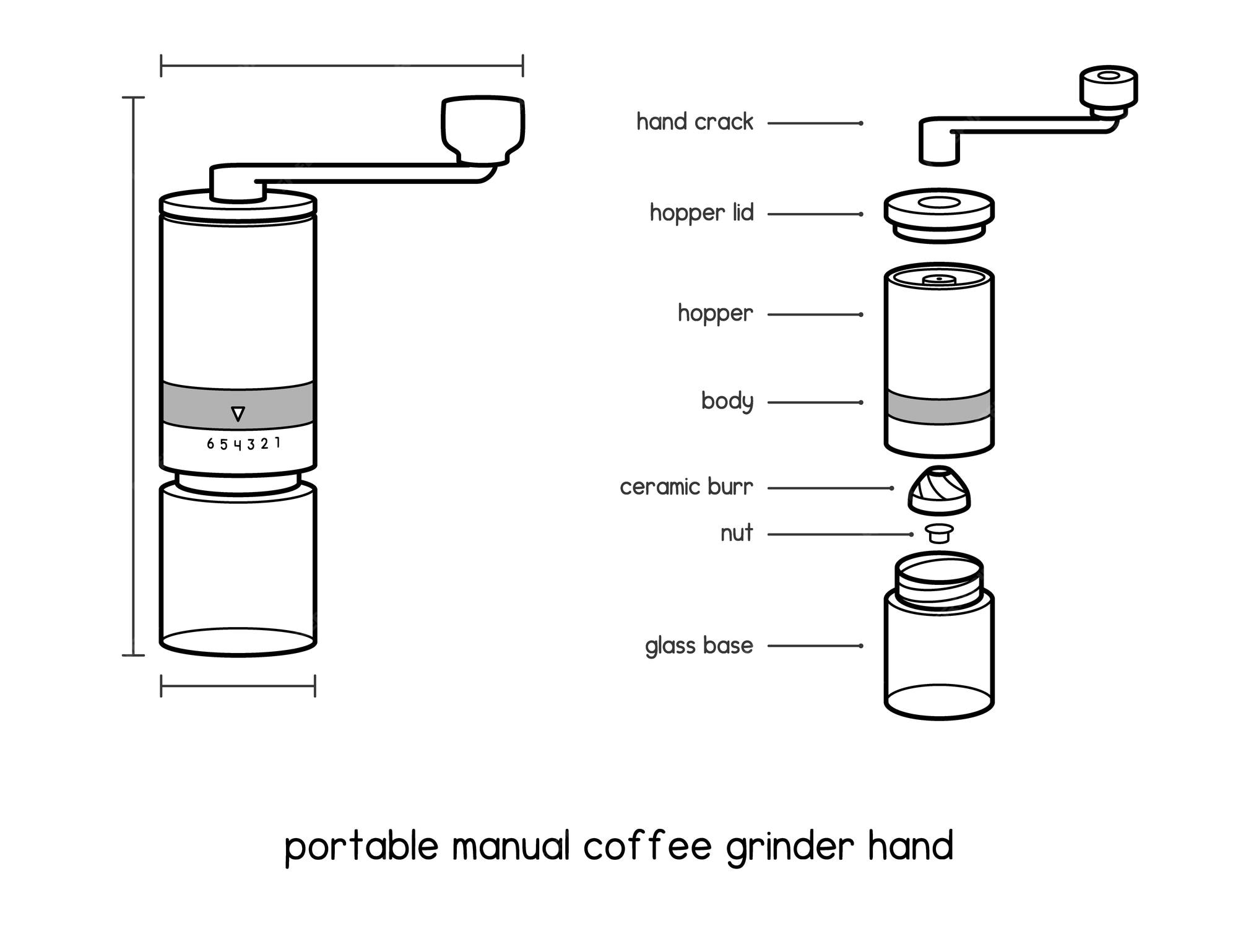
Most hand grinders have a knob or screw under the handle. Turn it clockwise for a finer grind. Turn it counterclockwise for a coarser grind. Make small adjustments and test the results. Tighten the knob to slow down the grind speed. Loosen it to speed up the process. Remember to grind a small amount and taste before grinding more.
Preparing Beans
Preparing your coffee beans is the first step to a fresh and tasty brew. Proper preparation affects the flavor and aroma of your coffee. Pay close attention to the beans you choose and the amount you grind.
Grinding just the right amount ensures no coffee goes to waste. Freshly ground beans give the best taste and smell.
Selecting Coffee Beans
Choose whole beans that look fresh and have a rich color. Avoid beans that are dull or broken. Beans stored in airtight bags keep their freshness longer. Pick beans that match your taste, like light, medium, or dark roast.
Measuring The Right Amount
Use a kitchen scale or a measuring spoon to get the correct amount. A good rule is two tablespoons of beans for one cup of coffee. Grinding too many beans can cause the coffee to lose flavor. Measure only what you need for each brew.

Credit: conqueco.com
Grinding Process
The grinding process plays a crucial role in brewing fresh coffee with a hand grinder. It transforms whole beans into the perfect size for your preferred brewing method. Consistent grind size affects flavor extraction and overall taste.
Using the right technique ensures an even grind and reduces effort. Maintaining consistency throughout the process helps avoid bitterness or sourness in your coffee. A proper grinding routine enhances the coffee experience.
Proper Hand Grinding Technique
Start by placing the coffee beans into the grinder’s hopper. Hold the grinder steady with one hand. Use the other hand to turn the handle in a slow, circular motion.
Apply even pressure while grinding. Avoid rushing, as fast grinding can cause uneven particle size. Stop occasionally to check the grind texture.
Keep the grinder close to the surface to prevent wobbling. This reduces strain on your wrists and improves control. Practice a smooth, steady motion for best results.
Maintaining Consistency
Consistency means grinding beans to a uniform size. Uneven grinds cause over-extraction or under-extraction during brewing. Adjust the grinder’s settings before you start if possible.
Grind small batches to keep the size steady. If grinding more, stir the grounds gently to even out any clumps. Regularly clean the grinder to avoid old coffee oils mixing with fresh grounds.
Use a timer or count your turns to repeat the same process each time. This habit helps achieve the same grind size for every brew. Consistency creates a balanced and flavorful cup of coffee.
Cleaning Your Grinder
Cleaning your hand coffee grinder is essential for the best coffee taste. Regular cleaning removes old coffee oils and residue. These can make your coffee bitter or stale. Keeping your grinder clean also helps it last longer. It works smoothly without clogging or wear. Follow simple steps for daily care and deeper cleaning sessions.
Daily Cleaning Tips
After each use, empty the grinder completely. Use a dry brush to remove leftover coffee grounds. Wipe the outside with a soft cloth. Avoid water on the grinding parts daily. Keep the grinder dry to prevent rust and damage. Store it in a clean, dry place. This quick routine keeps your grinder fresh and ready.
Deep Cleaning Methods
Perform deep cleaning once a month or after heavy use. Disassemble the grinder carefully, noting each part’s position. Soak non-metal parts in warm soapy water. Use a brush to scrub the burrs and inside surfaces. Rinse and dry all parts fully before reassembly. Avoid soaking metal parts to prevent rust. This thorough cleaning removes oils and buildup that affect taste.
Alternative Grinding Methods
Alternative grinding methods help when a hand coffee grinder is not available. These techniques use common kitchen tools to crush coffee beans. They offer different textures and control levels for grinding.
Using these methods may take more effort. Yet, they still produce fresh grounds for brewing coffee.
Mortar And Pestle
The mortar and pestle method works well for finer coffee grinds. Place coffee beans in the mortar. Use the pestle to pound the beans with firm, circular motions. This breaks the beans into coarse pieces.
Next, roll the pestle around the bowl to grind beans finer. Repeat pounding and rolling until the coffee reaches the desired texture. This method gives good control over grind size.
Rolling Pin Technique
For a coarser grind, use a rolling pin and a sealed bag. Put coffee beans into a sturdy plastic bag. Seal it tightly to avoid spills.
Roll the pin over the bag, pressing down to crush the beans. Apply pressure and roll repeatedly to break beans into chunks. Stop when the grounds are coarse enough for your brew.
This method is simple and fast but produces uneven grind sizes. It works well for French press or cold brew coffee.
Maximizing Freshness
Maximizing freshness is key to enjoying rich, flavorful coffee from your hand grinder. Coffee tastes best when ground right before brewing. This preserves the natural oils and aromas in the beans.
Proper storage of coffee beans also helps keep them fresh for longer. Follow simple steps to protect your beans from air, moisture, and light. These habits maintain peak flavor in every cup.
Grinding Just Before Brewing
Grind your coffee beans immediately before brewing. This keeps the flavors strong and vibrant. Ground coffee loses freshness quickly when exposed to air. Freshly ground beans release the full aroma and taste during brewing.
Use your hand grinder only when you need coffee. Avoid grinding in large batches for later use. The small amount you grind will stay fresh and flavorful. This step is essential for the best coffee experience.
Storage Tips For Beans
Store coffee beans in an airtight container. Choose containers that block light and air. Keep beans away from heat and moisture sources. Avoid storing beans in the fridge or freezer to prevent condensation damage.
Buy coffee in small amounts that you can use within two weeks. Fresh beans lose their flavor over time. Proper storage slows down this process. Your coffee will taste better with these simple storage habits.
:max_bytes(150000):strip_icc()/sea-coffee-grinders-oct-24-test-timemore-c2-max-manual-nsimpson-204-442876697c474f1795713d7392e66147.jpeg "How to Use a Hand Coffee Grinder? Easy Steps for Perfect Brew")
Credit: www.seriouseats.com
Credit: coffeeroastco.com
Frequently Asked Questions
How Long To Grind Coffee With A Hand Grinder?
Grinding coffee with a hand grinder typically takes 1 to 3 minutes, depending on grind size and bean quantity. Coarser grinds take less time, finer grinds require more effort. Grind just before brewing for optimal freshness and flavor.
How To Grind Coffee By Hand?
Use a mortar and pestle or place beans in a sealed bag. Crush and roll to grind beans by hand. Aim for desired coarseness. Grind fresh beans before brewing for best flavor. Hand grinding suits coarse brews like French press or cold brew.
How Does A Hand Grinder Work?
A hand grinder crushes coffee beans between burrs or blades as you turn the handle. This action breaks beans into consistent grounds. You can adjust grind size by changing burr distance. Hand grinding preserves flavor and offers control over coarseness for brewing.
How To Do A Coffee Grinder For Beginners?
Use a mortar and pestle or a rolling pin in a sealed bag. Pound or smash beans, then grind or roll to desired coarseness. Grind small batches for freshness and consistency. Clean tools before use.
Conclusion
Using a hand coffee grinder brings fresh flavor to your cup every time. Grinding beans yourself lets you control the size and texture. It also gives a satisfying, hands-on coffee experience. Clean your grinder regularly for smooth operation and better taste.
Practice grinding to find the perfect speed and pressure for you. Enjoy the process as much as the coffee it creates. Small effort, big reward in every grind. Keep experimenting and tasting to discover your favorite brew.