Skip to content
Imagine waking up to the perfect cup of coffee, bursting with fresh aroma and rich flavor every single morning. But did you know that the secret to unlocking this delicious experience lies in how you grind your coffee beans?
If you’ve ever wondered, “How to use a coffee grinder? ” you’re in the right place. Whether you have an electric grinder or a manual one, mastering this simple skill will transform your coffee ritual and elevate every sip. Keep reading, and you’ll learn easy, step-by-step tips to grind your beans just right—so your coffee tastes fresher, richer, and more satisfying than ever before.
You May Like
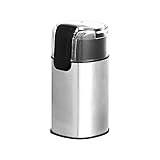
- Electric coffee bean grinder appliance for home use
- Can grind 30 grams/1 ounce of beans for drip coffee brewing in 10 seconds
- Grind coffee beans, herbs, spices, grains, nuts, and more
- Clear safety lid allows you to easily see the results in progress

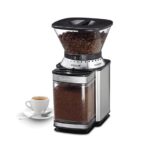
- ENJOY OPTIMUM FLAVOR: The Cuisinart Coffee Grinder with 18-position…
- REMOVABLE FEATURES: The 8 oz. bean hopper and bean chamber of the flat burr…
- GRIND CHAMBER: The burr grinder features a removable grind chamber that…
- ONE-TOUCH GRIND: The one-touch power bar is separate from the coffee bean…
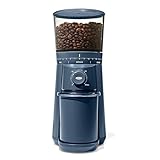
- Stainless steel conical burrs: Precision grinding system produces uniform…
- 15 grind settings (plus micro-adjustments): Easily customize your coffee…
- One-touch start: The Conical Burr Coffee Grinder remembers your last…
- Brew bigger: Large removable hopper holds up to 12 ounces of coffee beans.
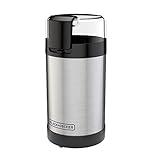
- STAINLESS STEEL BLADES AND BOWL – The sharp blades and durable grinding…
- GRIND YOUR FAVORITES! – Stainless steel blades quickly grind your favorite…
- ONE TOUCH PUSH-BUTTON CONTROL – Intuitive push-button control lets you…
- LID-LOCKING SAFETY FEATURE – No spills, no accidents. The integrated safety…

- EASILY SELECT GRIND SIZE AND CUPS OF BREWED COFFEE: Whether you need a fine…
- GRIND COFFEE HANDS-FREE OR MANUALLY: Convenient push-down operation allows…
- EASY TO POUR & CLEAN WITH REMOVABLE BOWL: Because the bowl removes, it’s…
- DURABLE STAINLESS STEEL PARTS: The electric coffee bean grinder has durable…
Choosing Your Grinder
Selecting the right coffee grinder affects your coffee’s taste. Grinding beans just before brewing keeps flavors fresh and strong.
Different grinders suit different needs. Consider how much coffee you make and how precise you want the grind size.
Blade Vs Burr Grinders
Blade grinders use spinning blades to chop beans. They are usually cheaper but less consistent.
Burr grinders crush beans between two surfaces. They provide a uniform grind and better flavor extraction.
For espresso or fine coffee, burr grinders give more control. Blade grinders work for drip coffee or French press.
Manual Vs Electric Options
Manual grinders require hand turning. They are quiet, portable, and affordable but need effort.
Electric grinders save time and work. They grind beans quickly with the push of a button.
Choose manual if you enjoy the process or want a travel grinder. Choose electric for daily use or large amounts.
Preparing Coffee Beans
Preparing coffee beans is the first step to a great cup of coffee. Proper preparation ensures the best flavor and aroma. Fresh beans must be handled carefully before grinding. This helps keep the coffee tasting fresh and rich.
Measure the right amount of beans for your brew. Avoid overfilling the grinder to prevent uneven grinding. Follow these simple steps for perfect preparation every time.
Measuring The Right Amount
Use a kitchen scale or measuring scoop for accuracy. The standard ratio is about 1 to 2 tablespoons of coffee beans per 6 ounces of water. Adjust the amount based on your taste preference.
Measuring beans before grinding helps control the strength of your coffee. Too many beans can lead to a bitter taste. Too few beans make the coffee weak and watery.
Avoiding Overfilling The Hopper
Fill the grinder hopper only halfway to three-quarters full. Overfilling can cause the grinder to jam or grind unevenly. Leave space for the beans to move freely during grinding.
Overfilled hoppers can result in inconsistent grind sizes. This affects the brewing process and the final flavor. Keep the hopper clean and dry for best results.
Setting Grind Size
Choosing the right grind size is key to making good coffee. Different brewing methods need different grind sizes. This controls how fast water flows through the coffee. It also affects the taste and strength of your brew.
Using a coffee grinder, you can adjust the size of the coffee grounds. Many grinders have clear settings for this. Always set the grind size before starting the grinder. This helps avoid grinding the beans too fine or too coarse.
Coarse For French Press
A coarse grind looks like sea salt. It allows water to flow slowly but fully through the coffee. This is perfect for a French Press. Coarse grounds prevent clogging the filter. They also stop over-extraction, which can cause bitterness.
Medium For Drip Coffee
A medium grind is similar to sand. It works well with drip coffee makers. This grind size lets water flow at the right speed. It extracts the coffee’s flavor without making it too strong or weak. Most automatic drip machines are designed for this grind.
Fine For Espresso
A fine grind is like sugar or table salt. Espresso machines push hot water through these grounds quickly. Fine grounds create enough resistance for a strong, rich coffee. Using a coarser grind here can make the espresso weak and watery.
Grinding Techniques
Grinding coffee beans correctly is key to a great cup of coffee. Different grinders need different techniques. The grind size affects the taste and strength of your brew. Understanding how to handle each type helps you get the best flavor.
Below are simple grinding techniques for electric blade grinders, electric burr grinders, and manual grinders. Follow these tips to improve your coffee experience.
Using Electric Blade Grinders
Electric blade grinders chop beans with fast spinning blades. Put a small amount of beans in the grinder. Pulse the grinder in short bursts instead of running it continuously. This prevents overheating and uneven grinding.
Shake the grinder gently between pulses to help beans grind evenly. Stop when the beans reach your desired size. Fine grinding takes longer, coarse grinding less time. Clean the grinder after each use to avoid stale flavors.
Operating Electric Burr Grinders
Electric burr grinders crush beans between two burrs. Set the grind size before turning it on. Use a coarse setting for French press and a fine setting for espresso. Start the grinder and let it run until all beans are ground.
Do not overload the grinder. Use just enough beans for your brew. Burr grinders produce consistent particle sizes for balanced flavor. Clean burrs regularly to keep performance high.
Manual Grinding Tips
Manual grinders use a hand crank to grind beans slowly. Add a small amount of beans to the hopper. Turn the crank steadily and avoid rushing. This ensures a uniform grind.
Adjust the grind size by changing the burr distance. Keep the grinder steady on a flat surface. Manual grinding takes time but allows more control over texture. Clean the grinder parts often to keep coffee fresh.
Maintaining Consistency
Maintaining consistency in grinding coffee beans is key to a great cup. Even particle size helps water extract flavors evenly. Uneven grind results in bitter or weak coffee. Small changes in grind size affect taste and aroma a lot.
Focus on techniques that keep the grind size uniform. Simple actions can improve your grinder’s performance. Consistency saves time and reduces waste. It makes every brew taste balanced and smooth.
Pulsing Vs Continuous Grinding
Pulsing means grinding in short bursts. It gives more control over grind size. You can check the texture between pulses. This method prevents overheating beans and grinder motor.
Continuous grinding runs the grinder without stopping. It is faster but may cause uneven grind. Heat builds up faster and can alter bean flavor. Pulsing is better for precise, consistent results.
Shaking For Evenness
Shaking the grinder gently during grinding helps mix beans. It prevents clumping and uneven pieces. Hold the grinder steady and give it a light shake.
This simple step spreads beans evenly around the burr or blade. It leads to more uniform grinding. Shaking reduces large chunks or fine dust in your coffee grounds. This makes extraction smoother and taste richer.
Storing Ground Coffee
Storing ground coffee properly keeps its flavor fresh and rich. Ground coffee starts to lose aroma soon after grinding. Careful storage slows down this process. Protecting coffee from air, light, and moisture is key. Follow simple steps to keep your coffee tasting great longer.
Using Airtight Containers
Choose containers that seal tightly to block air. Air causes coffee to go stale quickly. Use glass, ceramic, or stainless steel containers. Plastic can absorb smells and affect taste. Keep the container clean and dry before adding coffee. Fill the container but leave a little space at the top. Close the lid immediately after use to keep freshness.
Avoiding Light And Moisture
Store coffee in a dark place away from sunlight. Light breaks down coffee oils and flavors fast. Avoid spots near windows or bright kitchen counters. Moisture causes coffee to clump and lose flavor. Never store coffee in the fridge or freezer if used daily. Instead, choose a cool, dry cupboard or pantry. Keep coffee away from heat sources like ovens or stoves.
Common Mistakes To Avoid
Using a coffee grinder seems simple, but many people make avoidable mistakes. These errors affect your coffee’s taste and quality. Knowing what to avoid helps you enjoy fresh, flavorful coffee every time.
Grinding Too Far In Advance
Grinding coffee beans too early causes loss of flavor. Ground coffee loses aroma quickly when exposed to air. For best taste, grind beans just before brewing. Avoid grinding hours or days ahead for fresher coffee.
Using Incorrect Grind Size
Choosing the wrong grind size harms your brew’s taste and texture. Different coffee makers need different grind sizes. For example, espresso needs fine grounds, while French press uses coarse grounds. Match grind size to your brewing method for better flavor.
Overfilling The Grinder
Putting too many beans in the grinder can cause uneven grinding. Overfilling may also damage your grinder’s motor. Always follow the grinder’s capacity instructions. Leave space for beans to move freely during grinding.
Expert Tips For Freshness
Keeping your coffee fresh is key to enjoying a rich, flavorful cup. Coffee beans start to lose flavor soon after grinding. Follow expert tips to keep your coffee fresh and tasty. These simple steps help preserve aroma and taste for every brew.
Grinding On Demand
Grind your coffee beans just before brewing. Freshly ground coffee releases more oils and flavors. Avoid grinding large amounts at once. Coffee begins to lose freshness quickly after grinding. Using only what you need keeps the coffee vibrant and aromatic.
Checking Roast Dates
Always check the roast date on coffee packages. Freshly roasted beans have better flavor and aroma. Avoid beans that are too old or stale. Coffee tastes best within two to three weeks of roasting. Choosing recent roast dates ensures a more enjoyable coffee experience.
Frequently Asked Questions
How Do You Use A Coffee Grinder Step By Step?
Measure coffee beans and add to grinder hopper without overfilling. Select grind size based on brewing method. Secure lid firmly. For electric grinders, grind in short bursts; for manual, turn steadily. Shake occasionally for even grinding. Use ground coffee immediately for best flavor.
What Is The 15-15-15 Coffee Rule?
The 15-15-15 coffee rule means using coffee roasted within 15 days, ground within 15 minutes, and brewed within 15 minutes. This ensures maximum freshness, flavor, and aroma in every cup.
How To Do A Coffee Grinder?
Measure coffee beans and add to the hopper without overfilling. Set grind size for your brew method. Secure the lid. Grind in short bursts for electric or steadily for manual grinders. Shake occasionally for even grinding. Use ground coffee immediately for best freshness.
How To Use A Grinding Machine Step By Step?
Measure coffee beans and add to the hopper without overfilling. Set grind size based on your brew method. Secure the lid tightly. For electric grinders, grind in short bursts; for manual, grind steadily. Shake occasionally for even consistency. Use the ground coffee immediately for best flavor.
Conclusion
Using a coffee grinder is simple and improves your coffee’s taste. Always measure beans before grinding to avoid waste. Choose the right grind size for your brewing method. Avoid overfilling the grinder to prevent spills. Grinding beans just before brewing keeps coffee fresh and flavorful.
Regular cleaning of your grinder helps maintain its performance. Enjoy the process and the rich aroma of freshly ground coffee. With practice, grinding coffee becomes quick and easy. Your perfect cup is just a grind away.