Skip to content
Looking to cut paving slabs cleanly and quickly? If you’ve ever struggled with uneven edges or cracked slabs, using an angle grinder could be the game-changer you need.
This powerful tool lets you make precise cuts, whether you’re shaping curves, straight lines, or angled edges. In this guide, you’ll discover simple steps and expert tips to help you handle your angle grinder safely and effectively. By the end, you’ll feel confident tackling your paving project like a pro—without wasting time or materials.
Ready to transform your outdoor space? Let’s get started!
Choosing The Right Angle Grinder
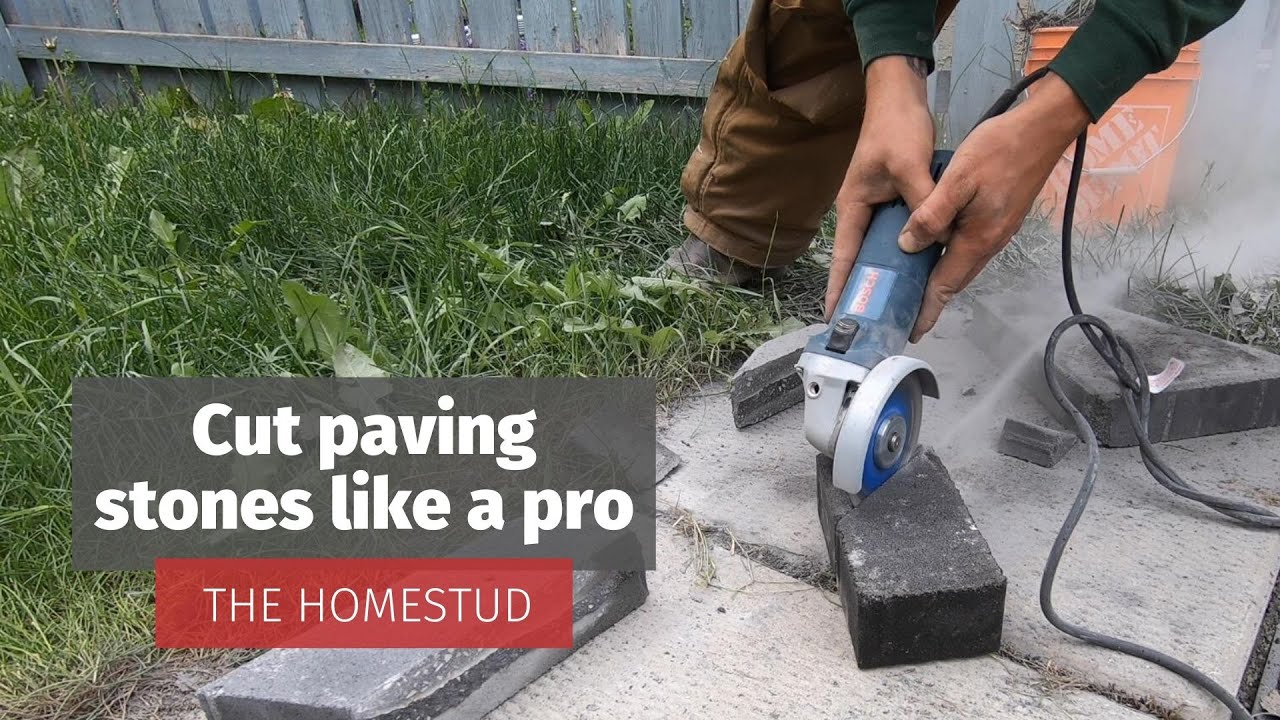
Choosing the right angle grinder is crucial for cutting paving slabs effectively. The tool must match the job’s demands and ensure ease of use. Selecting a grinder with proper power, size, and safety features helps achieve clean and accurate cuts. Understanding these factors simplifies your choice and improves results.
Power And Size Considerations
Choose an angle grinder with enough power to cut through tough slabs. A motor with 7 to 9 amps or 1400 to 2000 watts works well. The grinder size affects control and reach. A 4.5 to 5-inch grinder is ideal for most paving slabs. Larger grinders can cut faster but may be harder to handle.
Corded Vs. Cordless Models
Corded grinders offer consistent power for long jobs. They do not lose strength over time. Cordless models provide better mobility and ease of movement. Battery life limits cordless grinder use. For big projects, corded grinders are often better. Small jobs or tight spaces suit cordless tools well.
Essential Safety Features
Safety features protect you during cutting tasks. Look for a grinder with a safety guard to block sparks and debris. A spindle lock helps change discs safely. An adjustable handle improves grip and control. Some grinders have anti-kickback systems to reduce accidents. Choose a model with these features to stay safe.
Credit: www.youtube.com
Selecting The Proper Blade
Selecting the proper blade is essential for cutting paving slabs accurately and safely. The right blade ensures clean cuts and prevents damage to the slabs or the angle grinder. It also improves cutting speed and extends the blade’s life.
Choosing a blade that matches the material and the grinder specifications makes the task easier. Understanding blade types, sizes, and compatibility helps you pick the best option for your project.
Diamond Cut-off Discs For Paving Slabs
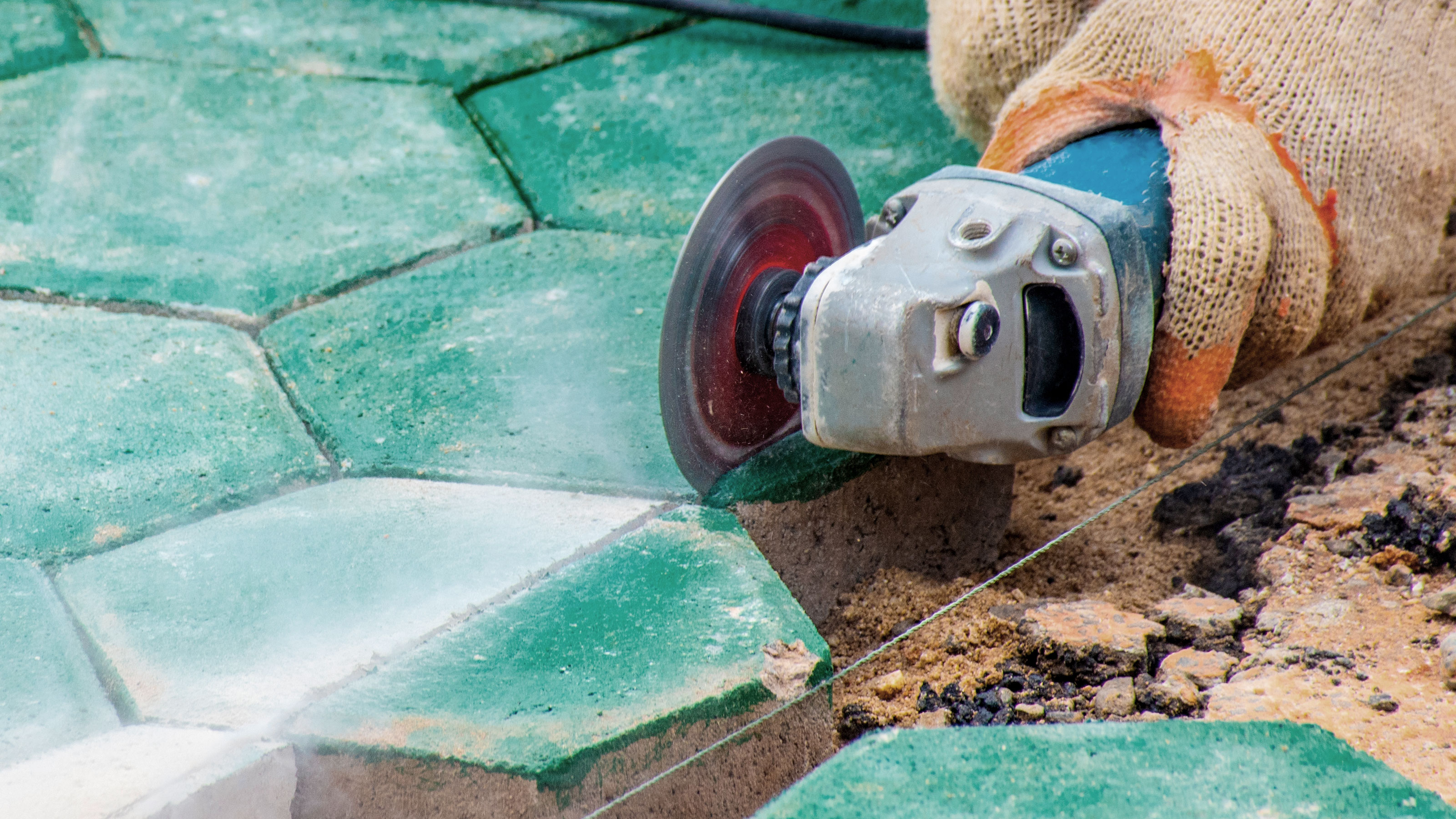
Diamond cut-off discs are the best choice for cutting paving slabs. They have a rim embedded with diamond particles that cut through hard materials like concrete and stone. These discs provide a smooth, precise cut with minimal dust.
They last longer than other blades and maintain sharpness during heavy use. Using diamond discs reduces chipping and cracking of paving slabs.
Blade Size And Thickness
Blade size must fit your angle grinder’s specifications. Common sizes are 4.5 inches and 7 inches. A smaller blade offers better control for detailed cuts, while larger blades cut deeper.
Thickness affects cutting speed and smoothness. Thinner blades make faster, cleaner cuts but may wear out quicker. Thicker blades last longer but cut slower and less precisely.
Compatibility With Different Stone Types
Not all blades cut every type of stone equally well. Soft stones like sandstone need blades designed for gentle cutting. Hard stones like granite require tougher, diamond-coated blades.
Check the blade label for material compatibility. Using the correct blade reduces wear and prevents slab damage. It also keeps your angle grinder running smoothly.
Preparing The Workspace
Preparing your workspace is the first step to cutting paving slabs with an angle grinder. A clean and organized area helps ensure safety and accuracy. Take time to arrange tools and materials before starting. Proper preparation reduces errors and speeds up the cutting process.
Clearing And Securing The Area
Remove any debris, plants, or loose objects from the work area. Clear space around the slab to move freely. Secure the work zone to prevent others from entering while cutting. Use barriers or warning signs to keep pets and children away. A stable, clean surface prevents accidents and ensures better control.
Marking Cut Lines Accurately
Measure the paving slab carefully before marking cut lines. Use a pencil or chalk to draw straight, clear lines on the slab. Double-check measurements to avoid mistakes. Marking the slab precisely guides your angle grinder for clean cuts. Well-defined lines help keep cuts neat and reduce wastage.
Using Clamps To Stabilize Slabs
Place the slab on a sturdy surface before cutting. Use clamps to hold the slab firmly in place. Tighten the clamps so the slab does not move during cutting. Stabilizing the slab prevents slipping and improves cutting accuracy. It also reduces the risk of damaging the slab or injuring yourself.
Safety Gear And Precautions
Using an angle grinder to cut paving slabs requires strict attention to safety. The tool spins at high speed and produces sharp debris. Proper safety gear protects the eyes, hands, ears, and body. Taking precautions reduces the risk of injury and makes the work easier. Below are key safety tips for cutting paving slabs.
Eye And Face Protection
Flying dust and small chips can cause serious eye injuries. Always wear safety goggles or a full-face shield. A face shield offers extra protection from larger debris. Ensure the eye protection fits snugly and does not fog up. Never cut without eye protection in place.
Gloves And Hearing Protection
Wear thick work gloves to guard your hands from sharp edges and vibration. Gloves improve grip and reduce the chance of slips. Angle grinders are loud and can damage hearing. Use earplugs or earmuffs to protect your ears during cutting. Hearing protection helps prevent long-term hearing loss.
Proper Clothing And Footwear
Wear long sleeves and pants to protect your skin from sparks and dust. Avoid loose clothing that can get caught in the grinder. Use sturdy, closed-toe shoes or boots with good grip. Proper footwear prevents slips and protects feet from falling slabs or debris. Dress safely to stay comfortable and secure while cutting.
Cutting Techniques
Cutting paving slabs with an angle grinder requires proper techniques for clean and safe results. Different cuts need different approaches to keep the slab from cracking or breaking. Learning the right methods helps improve accuracy and control.
Below are key cutting techniques for handling paving slabs with an angle grinder. These methods suit straight cuts, curves, and angled edges. Follow each step carefully to achieve professional-looking finishes.
Scoring The Slab Before Cutting
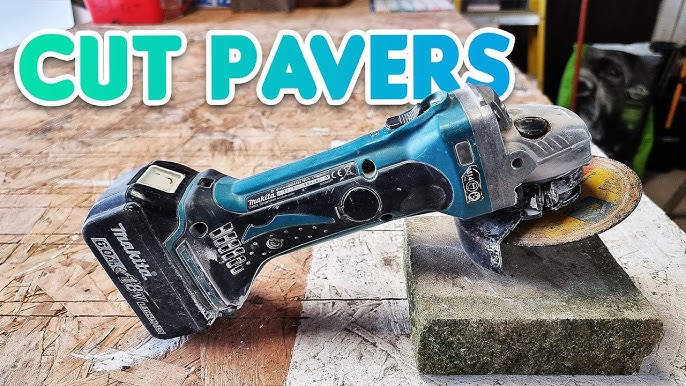
Scoring means making a shallow cut along the line where you want to cut. Use the angle grinder with a diamond blade and run it lightly over the slab surface. This creates a guide line and reduces the risk of the slab cracking during the full cut.
Keep the grinder steady and move slowly. Score both sides of the slab if possible. This step improves control and helps the slab break cleanly if you need to snap it after cutting.
Making Straight Cuts
Clamp the slab firmly to prevent movement. Hold the angle grinder with both hands for better control. Start the cut on the scored line and push the grinder forward gently. Keep the blade perpendicular to the slab surface.
Do not force the grinder. Let the blade do the work. Cutting slowly reduces dust and prevents overheating. For thicker slabs, make multiple shallow passes instead of one deep cut.
Cutting Curves And Angled Edges
Cutting curves or angles requires steady hands and patience. Mark the shape clearly before cutting. Use short, controlled movements with the grinder. Rotate the slab if needed to follow the curve more easily.
For angled edges, adjust the grinder to the correct angle and cut slowly along the marked line. Avoid rushing to prevent chipping or uneven edges. Practice on spare slabs to gain confidence with curved and angled cuts.
Handling Common Challenges
Cutting paving slabs with an angle grinder can be tricky. Challenges arise that may cause cracks, dust, or slow progress. Handling these problems properly ensures a clean, safe cut. Below are common issues and how to manage them effectively for better results.
Preventing Slab Cracks And Breakage
Slabs can crack if the cut is too deep or uneven. Start by marking the cutting line clearly. Use a steady hand to guide the grinder along the line. Avoid forcing the blade; let it cut at its own speed. Cutting shallow passes rather than one deep cut helps prevent breaks. Support the slab firmly to reduce vibrations during cutting.
Managing Dust And Debris
Cutting paving slabs creates a lot of dust and debris. This can harm your lungs and obscure your view. Wear a dust mask and safety goggles at all times. Use a water spray to dampen the cutting area and reduce dust. Clear debris regularly from the workspace for better visibility and safety. Working outdoors or in a well-ventilated area lowers dust concentration.
Dealing With Hard Or Thick Slabs
Hard or thick slabs need extra care and patience. Use a diamond blade designed for tough materials. Cut slowly and in multiple passes rather than rushing. Let the grinder cool down if it overheats. Using clamps to hold the slab steady improves control and safety. If needed, try scoring the slab first before cutting all the way through.
Post-cut Finishing
After cutting paving slabs with an angle grinder, proper finishing is essential. Post-cut finishing improves the slab’s appearance and safety. It also prepares the slab for installation. Follow these simple steps to achieve a clean and professional finish.
Smoothing Rough Edges
Cutting often leaves rough or sharp edges on the slab. Use the angle grinder with a grinding disc to smooth these edges. Move the grinder gently along the edge in steady strokes. This process reduces the chance of chipping or injury. Wear safety gloves to protect your hands during this step.
Cleaning The Slab Surface
Cutting produces dust and debris on the slab surface. Clean the slab using a stiff brush or a damp cloth. This removes loose particles and dust from the surface. A clean surface helps with better adhesion if you plan to seal or grout the slab later. Avoid using harsh chemicals that could damage the stone.
Inspecting For Damage
Carefully examine the slab for cracks or chips after cutting. Small cracks can worsen during installation or use. Check both sides and all edges of the slab. Replace any slabs with significant damage to ensure a stable and safe paved area. Early inspection saves time and costs in the long run.
Credit: www.youtube.com
Maintenance Of Tools And Blades
Proper maintenance of your angle grinder and blades ensures smooth cutting and extends their lifespan. Regular care helps avoid unexpected breakdowns and keeps your tools in top shape. This section explains simple steps to maintain your angle grinder and blades effectively.
Cleaning And Storing The Angle Grinder
After each use, wipe the angle grinder with a dry cloth. Remove dust and debris from vents and moving parts. Use a small brush to clean hard-to-reach areas. Store the tool in a dry place, away from moisture. Keep it in a case or on a shelf to avoid damage.
Blade Sharpening And Replacement
Dull blades make cutting harder and unsafe. Check the blade edges regularly for wear or damage. Sharpen diamond blades with a dressing stone if they become less effective. Replace blades that are cracked or worn out. Always use the correct blade type for paving slabs to ensure clean cuts.
Regular Safety Checks
Inspect the angle grinder before each use. Check the power cord for cuts or frays. Ensure the guard is secure and undamaged. Test the on/off switch to confirm it works properly. Tighten loose screws and parts. Safety checks reduce accidents and improve tool performance.
Credit: www.homebuilding.co.uk
Frequently Asked Questions
Can You Use An Angle Grinder To Cut Paving Slabs?
Yes, you can use an angle grinder to cut paving slabs. Use a diamond blade for clean, precise cuts. Always wear safety gear and clamp slabs securely. Angle grinders work well on concrete, granite, and natural stone, allowing fast, accurate cutting of shapes and edges.
What Is The Best Tool For Cutting Paving Slabs?
The best tool for cutting paving slabs is an angle grinder with a diamond cut-off disc. It ensures clean, precise cuts without cracking. Diamond blades work well on concrete, granite, and natural stone slabs, making the process efficient and accurate.
Always use safety gear while cutting.
What Grinder Blade To Cut Pavers?
Use a diamond blade designed for stone to cut pavers. It ensures clean, precise cuts and prevents cracking. Clamp the paver securely and wear safety gear.
How To Cut Paving Slabs By Hand?
Score a straight line on the slab’s surface using a chisel and hammer. Tap firmly along the line until the slab splits cleanly in half.
Conclusion
Cutting paving slabs with an angle grinder is simple and effective. Always wear safety gear to protect yourself. Use a diamond blade for clean, precise cuts. Take your time to follow marked lines carefully. Secure the slab well before starting to cut.
With patience, you can achieve neat edges and shapes. This method works well on concrete, stone, and brick. Practice on scrap pieces to build confidence. Soon, cutting paving slabs will feel easy and rewarding.