Skip to content
Cutting natural stone might seem like a tough job, but with the right tools and techniques, you can do it yourself with confidence. If you have an angle grinder at hand, you already have a powerful tool that can make precise cuts and shape stone to fit your project perfectly.
Whether you’re working on a patio, a garden path, or a home renovation, knowing how to cut natural stone with an angle grinder will save you time and money. In this guide, you’ll discover simple steps, safety tips, and expert tricks to get clean, professional-looking cuts every time.
Ready to transform your stonework? Let’s dive in and unlock the full potential of your angle grinder.
You May Like

- Next generation 11 amp AC/DC 11,000 rpm motor on the electric grinder…
- Dust Ejection System; provides durability by ejecting damaging dust and…
- Over-sized brushes provide 2 times the brush life of the previous model…
- Large spiral bevel gear provides long transmission life. One-Touch guard…

- Brushless motor of the angle grinder requires no brush changes.
- DEWALT grinder’s brake stops wheel in 2 seconds or less on average
- Kickback Brake engages when a pinch, stall, or bind-up event is sensed and…
- Features E-Switch Protection – When the ON/OFF trigger switch has a no-volt…

- INCLUDES: 4 1/2″ Angle grinder, five grinding wheels and a carrying case
- MOTOR: 6.2 Amp motor with 980W of max output power for tough grinding jobs
- SPINDLE LOCK: Spindle lock for quick and easy disc and accessory changes
- SWITCH: Left-mounted slide switch with quick-off feature for added safety

- POWERFUL MOTOR: Professional 7.5 amp motor delivers 11,000 no-load rpm
- SLIM-GRIP DESIGN: Provides outstanding user comfort
- DURABLE CARBON BRUSHES: Delivers extended tool life
- TWO-POSITION SIDE HANDLE: Allows for greater control and utility

- NOTE: DON’T use this grinder continuously for more than 30 mins,…
- Powerful and Well-balanced Grinder Tool: Equipped with 7.5 Amps motor with…
- Included Essential Wheels for Cutting/Grinding/Polishing Metal: This…
- Side Handle for Added Control & Adjustable Safety Guard: Side grinder…
Choosing The Right Blade
Choosing the right blade is critical for cutting natural stone effectively. The blade affects the quality of the cut and the tool’s performance. Using the wrong blade can cause damage to the stone or the angle grinder. It can also increase the risk of accidents. Select a blade designed specifically for stone to ensure clean, precise cuts. Consider the stone type and thickness before making your choice.
Diamond Blades For Stone
Diamond blades are the best choice for cutting natural stone. They have tiny industrial diamonds on the edge that grind through hard materials. These blades last longer and cut faster than others. They reduce chipping and provide smooth edges. Wet diamond blades use water to cool the blade and reduce dust. Dry diamond blades work without water but create more dust and heat. Choose wet blades for thicker stones and dry blades for quick, small cuts.
Blade Sizes And Types
Blade size must match your angle grinder’s specifications. Common sizes include 4.5, 7, and 9 inches. Smaller blades offer better control and are ideal for detailed work. Larger blades cut deeper and faster but are harder to handle. Blade types vary by segment design: continuous rim blades provide smooth cuts for tiles and slabs. Segmented blades allow faster cutting and better cooling, ideal for thick stones. Pick the blade size and type based on your project’s needs.
Preparing The Workspace
Preparing the workspace is essential for cutting natural stone safely and accurately. A well-organized area prevents accidents and helps maintain control over the cutting process. Setting up correctly also protects your tools and materials from damage.
Cleaning And Securing The Stone
Remove dirt and dust from the stone surface. This clears the cutting line and prevents blade slipping. Use a brush or cloth to wipe the stone clean. Place the stone on a stable, flat surface.
Secure the stone using clamps or heavy weights. This stops any movement during cutting. A stable stone reduces the risk of uneven cuts and tool kickback.
Setting Up The Angle Grinder
Choose the right diamond blade designed for natural stone cutting. Check the blade for cracks or damage before use. Attach the blade firmly to the grinder.
Adjust the grinder’s guard to shield yourself from sparks and debris. Connect the grinder to a power source and test it briefly. Hold the tool firmly to maintain control during cutting.
Safety Gear Essentials
Cutting natural stone with an angle grinder involves risks from flying debris and dust. Wearing the right safety gear protects your body from injury and inhaling harmful particles. Proper gear also improves comfort and focus during the task. Prepare yourself with essential safety equipment before starting to cut stone.
Eye Protection
Stone cutting creates sharp chips and dust that can harm eyes. Use safety goggles or a full face shield for full protection. Regular glasses do not block all particles. Choose gear that fits snugly and covers the eyes completely. Clear vision keeps you precise and safe.
Gloves And Respirators
Wear thick, durable gloves to protect hands from cuts and abrasions. Gloves also improve grip on the angle grinder. Stone dust contains silica, which is harmful to lungs. Use a respirator or dust mask rated for fine particles. This prevents breathing in dangerous dust during cutting.
Proper Clothing
Wear long sleeves and long pants made of sturdy fabric. This protects skin from flying stone chips. Avoid loose clothing that can catch on the grinder. Closed-toe shoes with good grip keep feet safe and stable. Dress for safety to reduce injury risks.
Marking And Measuring
Marking and measuring are the first steps in cutting natural stone with an angle grinder. Precise marks guide your cuts and reduce errors. This step ensures clean, straight edges and helps avoid wasting stone. Take your time to measure carefully and mark clearly before starting to cut.
Using Pencils And Chalk
Use a pencil or chalk to mark your cut lines on the stone surface. Chalk works well on darker stones because it shows up clearly. Pencils are better for lighter stones. Make sure the marks are visible but thin enough not to interfere with the cut.
Hold the marking tool steady and draw along a straight edge or ruler. Avoid freehand lines for best accuracy. If needed, wipe the stone clean before marking to remove dust and dirt. This helps the markings stick better.
Creating Accurate Cut Lines
Measure twice before drawing your lines. Use a tape measure or ruler for exact distances. Double-check angles with a protractor or square tool to keep lines straight.
Mark all cut lines clearly and extend them around the stone if possible. This gives a full guide when cutting from different angles. Keep your lines thin but distinct to follow easily with the angle grinder.
Accurate lines reduce the chance of mistakes and uneven cuts. They also speed up your work by giving a clear path to follow. Spend extra time here for smoother cutting later.
Cutting Techniques
Cutting natural stone with an angle grinder requires different techniques. Each technique suits a specific shape or finish. Understanding these methods helps you achieve clean cuts and desired edges. Safety gear is essential before starting any cut. Keep the grinder steady and use the right blade.
Straight Cuts
Straight cuts are the most common when working with stone. Mark the line clearly with a pencil or chalk. Use a diamond blade designed for stone cutting. Keep the angle grinder steady and move slowly along the line. Avoid forcing the blade; let it do the work. Use water to cool the blade and reduce dust if possible.
Curved Cuts
Curved cuts need more control and patience. Start with shallow cuts to follow the curve precisely. Use smaller, smoother movements to avoid breaking the stone. Change direction slowly and keep the grinder balanced. A thin diamond blade helps make tight turns. Practice on scrap stone before cutting the final piece.
Creating Jagged Edges
Jagged edges add a natural, rough look to stone pieces. Score the stone surface lightly with the grinder first. Then, use a hammer and chisel to chip away small pieces along the scored line. This technique works well for decorative edges and landscaping stones. Take care to avoid cracking the stone too much. Always wear eye protection during chipping.
Wet Vs Dry Cutting
Choosing between wet and dry cutting is key when using an angle grinder on natural stone. Both methods affect the quality of the cut, tool life, and safety. Understanding their differences helps you pick the right approach for your project.
Benefits Of Wet Cutting
Wet cutting uses water to cool the blade and stone. This reduces heat build-up, which can damage the blade or stone. Water also lowers dust, making the air safer to breathe. Cuts tend to be smoother and more precise. Wet cutting keeps the blade sharper for longer. It helps avoid cracks and chips in the stone. This method is ideal for detailed or long cuts. It protects both your tool and your health.
When To Use Dry Cutting
Dry cutting means cutting without water. It is faster and easier to set up. Use dry cutting for quick, rough cuts or small jobs. It works well when water is not available. Dry cutting can create more dust and heat. Always wear a dust mask and eye protection. Avoid dry cutting on very hard or thick stone. It can wear out blades faster and cause breaks. Use dry cutting for light tasks or when mobility is important.
Step-by-step Cutting Process
Cutting natural stone with an angle grinder requires careful steps to ensure precision and safety. Follow this step-by-step cutting process to achieve clean and accurate results. Each phase demands attention to detail and steady handling of the tool.
Starting The Cut
Begin by marking the stone where you want to cut. Use a pencil or chalk for clear visibility. Secure the stone firmly to prevent movement during cutting. Put on safety glasses and gloves before turning on the angle grinder. Hold the grinder steadily and start the cut at the marked line. Apply light pressure to avoid damaging the stone or the blade.
Controlling The Angle Grinder
Keep both hands on the grinder for better control. Move the tool slowly along the marked line. Maintain a consistent speed and angle to ensure a straight cut. Avoid forcing the grinder; let the blade do the work. Take breaks if the blade overheats or the stone creates too much dust. Use a dust mask to protect your lungs from fine particles.
Finishing The Cut
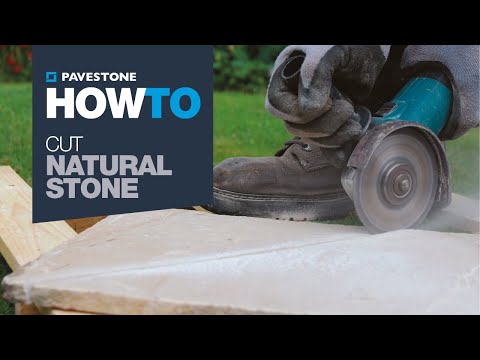
Once the cut is complete, turn off the angle grinder and wait for the blade to stop spinning. Check the cut edge for any rough spots. Smooth the edge using a grinding disc or sandpaper attachment on the grinder. Clean the stone surface to remove dust and debris. Inspect the stone to confirm the cut meets your needs before handling it further.
Credit: www.youtube.com
Handling Dust And Debris
Cutting natural stone with an angle grinder produces a lot of dust and debris. This dust can be harmful if inhaled and makes the workspace messy. Proper handling of dust and debris is essential for safety and cleanliness. Using the right methods helps keep the air clear and the area safe.
Dust Control Methods
Use a wet cutting method by spraying water on the stone while cutting. Water reduces dust by keeping particles from flying into the air. Attach a vacuum to the angle grinder if possible. This captures dust directly at the source. Wear a dust mask or respirator to protect your lungs. Work in a well-ventilated space to allow fresh air circulation. Cover nearby surfaces with plastic sheets to catch falling dust. These steps lower dust exposure and keep the worksite cleaner.
Cleaning Up Safely
Turn off and unplug the angle grinder before cleaning. Use a broom or brush to sweep up large debris. Avoid using compressed air, which can spread dust. Use a vacuum cleaner with a HEPA filter for fine dust particles. Dispose of the dust and debris in a sealed bag. Wash your hands and face after cleanup. Wearing gloves during cleanup protects your skin from sharp stone pieces. Follow these steps to ensure a safe and tidy work area.
Common Mistakes To Avoid
Cutting natural stone with an angle grinder requires care and attention. Many beginners make simple mistakes that cause damage or injury. Avoiding these common errors helps achieve better results and keeps you safe. Below are key mistakes to watch out for.
Overheating The Blade
Overheating the blade reduces its lifespan and cutting efficiency. Continuous cutting without breaks causes heat buildup. This can warp or dull the blade quickly. Let the blade cool down by pausing regularly during cutting. Use water to cool the blade when possible. Proper cooling prevents damage and improves performance.
Improper Blade Use
Using the wrong blade damages both the stone and the tool. Always choose a diamond blade designed for natural stone. Avoid blades meant for metal or wood. Incorrect blades wear out fast and create rough cuts. Check blade compatibility before starting any project. A suitable blade ensures smooth, clean cuts every time.
Ignoring Safety Precautions
Cutting stone creates dust and flying debris. Not wearing protective gear risks serious injury. Always wear safety glasses, gloves, and a dust mask. Keep your work area clear and stable. Follow all safety instructions for your angle grinder. Staying safe helps you focus on cutting without accidents.
After-cutting Care
After cutting natural stone with an angle grinder, proper care is essential. It helps maintain the stone’s quality and ensures safety. Taking time to smooth edges and store the stone correctly prevents damage and keeps your workspace organized.
Smoothing Edges
Cut edges of natural stone are often rough and sharp. Use a grinding disc or sanding pad on the angle grinder. Gently run it along the edges to smooth out any jagged parts. This step reduces the risk of cuts and chips. Take light passes and avoid pressing too hard. Check the edges often for an even finish. Smooth edges improve the stone’s look and make it easier to handle.
Storing Stone Safely
Store cut stone in a dry, flat place. Avoid stacking pieces directly on top of each other. Place soft padding or wood between them to prevent scratches. Keep the stone away from moisture to stop staining or weakening. Label each piece to identify size and type. Proper storage protects your stone for future use. It also helps you find pieces quickly for your next project.
Alternative Stone Cutting Tools
Natural stone requires special tools to cut it accurately and safely. Besides an angle grinder, several alternative tools can handle stone cutting effectively. These options suit different project types and stone sizes. Knowing these tools helps choose the best one for your task.
Wet Saws
Wet saws use water to cool the blade and reduce dust. They have diamond blades that cut through stone smoothly. These saws create clean, straight cuts, perfect for tiles and countertops. Using water also prevents the stone from overheating and cracking. Wet saws work well for precise and larger stone pieces.
Hammer And Chisel
This traditional method uses a hammer and chisel to break stone along a scored line. First, score the stone with a blade or another tool. Then, tap the chisel with the hammer to split the stone. This method gives a natural, rough edge. It is useful for shaping and smaller cuts but requires skill and patience.
Feather And Wedge Method
The feather and wedge method splits stone by inserting wedges into drilled holes. Drill a line of holes along the stone where you want it to break. Place feathers (thin metal shims) and wedges into the holes. Tap the wedges evenly to split the stone. This technique is ideal for large stones and creates clean breaks without power tools.
Frequently Asked Questions
Can You Cut Natural Stone With A Grinder?
Yes, you can cut natural stone with a grinder using a diamond blade. Wear safety gear and cut slowly for best results.
What Angle Grinder Blade To Cut Stone?
Use a diamond blade designed for stone cutting on your angle grinder. Wet-cut diamond blades reduce dust and heat.
How Do You Cut Natural Stone?
Cut natural stone using a wet saw with a diamond blade for clean cuts or an angle grinder for small adjustments. Score and chip with a hammer and chisel for jagged edges. Always wear eye protection, gloves, and a dust mask to stay safe.
What Grinding Disc For Stone?
Use a diamond grinding disc for stone. It cuts efficiently and lasts longer. Wet cutting reduces dust and heat.
Conclusion
Cutting natural stone with an angle grinder takes care and patience. Always wear safety gear to protect your eyes and hands. Mark your cutting line clearly before starting. Use a diamond blade designed for stone to get clean cuts. Move the grinder slowly and steadily to avoid mistakes.
Keep the blade cool by taking breaks or using water. Practice on scrap pieces to build confidence. With the right steps, you can achieve precise cuts at home. Stay safe, work carefully, and enjoy your stone-cutting project.