Skip to content
Are you ready to give your outdoor space a custom look with smooth, flowing curves in your paver design? Cutting curves in pavers might seem tricky at first, but with the right approach and your angle grinder, you can achieve professional-looking results without the need for expensive tools.
In this guide, you’ll learn simple, step-by-step techniques to cut perfect curves that fit your vision. Whether you’re creating a curved walkway, patio edge, or garden border, mastering this skill will make your project stand out. Keep reading to discover how to make your angle grinder work for you and transform your hardscape with clean, precise curved cuts.
Tools And Materials
Cutting curves in pavers requires specific tools and materials to achieve clean, precise results. The right equipment ensures safety and efficiency during the process. This section covers the essential tools and materials needed for cutting curves in pavers with an angle grinder.
Choosing The Right Angle Grinder
Select an angle grinder with a power rating of at least 7 amps for strong performance. A 4.5-inch or 5-inch grinder offers better control for curved cuts. Look for models with variable speed settings to adjust cutting speed. A grinder with a comfortable grip helps reduce hand fatigue during long cuts.
Selecting The Proper Blade
Use a diamond blade designed specifically for cutting masonry and pavers. Diamond blades offer durability and cleaner cuts. Choose a blade size compatible with your angle grinder. Thin blades create finer cuts and reduce the chance of chipping the paver edges. Replace dull blades promptly to maintain cutting quality.
Additional Safety Gear
Wear safety glasses to protect your eyes from flying debris. Use ear protection to reduce noise exposure. Gloves protect your hands from sharp edges and vibration. A dust mask prevents inhaling dust particles during cutting. Work in a well-ventilated area to minimize dust buildup.
:max_bytes(150000):strip_icc()/how-to-cut-pavers-213250-hero-a68f8ef21652484cb90156ec296944d6.jpg "How to Cut Curves in Pavers With Angle Grinder: Expert Tips")
Credit: www.thespruce.com
Preparing The Pavers
Preparing the pavers is a key step before cutting curves with an angle grinder. Proper preparation ensures clean cuts and reduces mistakes. It starts with marking the curve clearly and then securing the paver firmly. These steps keep the paver stable and guide the cutting process smoothly.
Marking The Curve
Use a pencil or chalk to draw the curve on the paver. Make the line clear and easy to follow. Measure twice to ensure accuracy. A steady hand helps create a smooth, flowing curve. Mark the entire curve to avoid stopping mid-cut. This line acts as your cutting guide.
Securing The Paver
Place the paver on a stable surface before cutting. Use clamps to hold it tightly in place. This prevents movement during cutting, improving safety. A stable paver helps the angle grinder follow the curve precisely. Check that the paver cannot slip or tilt. Proper securing makes cutting easier and cleaner.
Cutting Techniques
Cutting curves in pavers with an angle grinder requires precision and patience. Using the right techniques ensures smooth edges and accurate shapes. Breaking the process into clear steps helps achieve the best results. Below are key methods to cut curves effectively.
Making Straight Tangent Cuts
Start by marking the curve on the paver clearly. Make straight cuts that touch the curve’s edge. These cuts act like small segments following the curve path. Cut just enough to outline the shape without removing too much material. This method reduces stress on the blade and keeps the paver stable.
Using A Flap Disk For Smoothing
After the tangent cuts, use a flap disk to smooth the edges. The flap disk sands down rough spots and shapes the curve precisely. Move the angle grinder gently along the curve to avoid deep gouges. This step creates a clean, rounded finish on the cut edge.
Incremental Cutting Approach
Cutting curves in one go can cause cracks or chips. Instead, cut in small sections, gradually deepening the cuts. This incremental approach controls heat buildup and blade wear. Pause often to check the curve shape and adjust cuts as needed. This careful process leads to cleaner curves and less waste.
Safety Tips
Cutting curves in pavers with an angle grinder requires careful attention to safety. The tool spins at high speeds and can cause serious injury without proper precautions. Follow these safety tips to protect yourself and work efficiently.
Protective Clothing And Eye Gear
Wear thick gloves to protect your hands from sharp edges and sparks. Long sleeves and pants shield your skin from flying debris. Use a dust mask to avoid inhaling stone dust. Always wear safety goggles or a full-face shield. This protects your eyes from dust and small stone chips.
Proper Handling Of The Grinder
Hold the angle grinder with both hands for better control. Keep a firm grip to prevent slipping. Start the grinder before touching the paver and cut slowly. Avoid forcing the tool; let the blade do the work. Turn off the grinder before setting it down.
Work Area Setup
Clear the area of any obstacles or clutter. Make sure the surface is stable and flat. Work in a well-ventilated space to reduce dust buildup. Keep bystanders at a safe distance. Have a first aid kit nearby, just in case.
Common Challenges
Cutting curves in pavers with an angle grinder presents several challenges. These challenges affect the quality and safety of your work. Understanding common issues helps you prepare and achieve better results. Below are some frequent obstacles you may face.
Dealing With Dust And Debris
Cutting pavers creates a lot of dust and small debris. This dust can irritate your eyes and lungs. It also makes the work area messy and slippery. Using a mask and safety glasses protects you from dust. Wetting the paver slightly reduces dust during cutting. Clean the area often to prevent debris buildup.
Avoiding Blade Overheating
Continuous cutting can cause the blade to overheat quickly. Overheated blades lose cutting power and wear out faster. To avoid this, take short breaks between cuts. Use the right blade designed for cutting pavers. Cooling the blade with water or letting it rest helps maintain its sharpness. Monitor the blade temperature to prevent damage.
Maintaining Cut Accuracy
Cutting curves requires steady hands and careful control. Angle grinders can be hard to guide along smooth curves. Mark the curve clearly on the paver before cutting. Make several shallow cuts instead of one deep cut. This method allows more control and cleaner edges. Use a guide or template to follow the curve precisely.

Credit: bsptools.com
Finishing Touches
After cutting curves in pavers with an angle grinder, the work is not done. The finishing touches make your project look professional and safe. These final steps improve the edges and clean the area. They help your curved cuts blend well with the rest of the pavers.
Smoothing Edges
Use a flap disc on your angle grinder to smooth rough edges. Move the grinder gently along the cut line to remove sharp bits. Smooth edges prevent injuries and give a neat appearance. Take your time to avoid over-grinding or damaging the paver. Check the edges by hand to feel for any rough spots.
Cleaning The Cut Area
Clear dust and debris from the cut area using a brush or a blower. Removing dust helps the pavers fit better and look cleaner. Wash the surface with water to remove fine particles. Let the pavers dry completely before placing them back. Clean cuts show off your hard work and improve the overall look.
Alternative Cutting Methods
Cutting curves in pavers requires precision and the right tools. While an angle grinder is popular, alternative methods exist. These options may offer cleaner cuts or easier handling for certain projects. Exploring these methods helps you choose the best tool for your needs.
Wet Saw Use
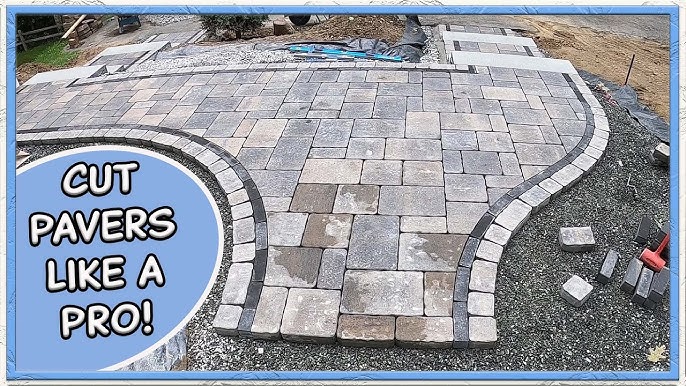
A wet saw uses water to cool the blade and reduce dust. It produces smooth, precise cuts on pavers and stones. This tool is ideal for cutting tight curves with less chipping. The water also extends the blade’s life during cutting. Wet saws are electric and easy to control, making them beginner-friendly. They work best for medium to large projects where accuracy matters.
Manual Tools For Curves
Manual tools like a hammer and chisel can cut curves slowly but carefully. Mark the curve on the paver first, then score along the line with the chisel. Tap gently with the hammer to break small pieces away. This method requires patience and steady hands. It is perfect for small adjustments or delicate shapes. Manual cutting avoids dust and noise but needs more time and effort.
Credit: www.youtube.com
Frequently Asked Questions
How To Cut Paving Slabs Curved With Angle Grinder?
Mark the curve on the paving slab with chalk. Use an angle grinder with a diamond blade. Make small, straight cuts tangent to the curve. Smooth edges gradually with a flap disc for a clean, curved finish. Wear safety gear throughout the process.
Can You Cut Curves With An Angle Grinder?
Yes, you can cut curves with an angle grinder by making multiple straight cuts along the curve. Use a diamond blade and a flap disk to smooth edges. Work slowly and carefully for accuracy and safety.
How To Make A Curved Cut In A Paver?
Mark the curve on the paver with chalk. Use an angle grinder with a diamond blade to make small, gradual cuts along the curve. Smooth edges with a flap disk for a clean, precise finish.
Can I Use An Angle Grinder To Cut Pavers?
Yes, you can use an angle grinder to cut pavers. Use a diamond blade and cut slowly for clean edges.
Conclusion
Cutting curves in pavers with an angle grinder takes practice and patience. Mark your curve clearly before starting. Make small, controlled cuts to follow the line closely. Use safety gear to protect yourself during the process. Keep the grinder steady and work slowly for best results.
This method works well for small to medium projects. With these tips, you can create smooth, curved edges in your pavers. Enjoy your neat and professional-looking hardscape finish.