Skip to content
Cutting porcelain tile can feel like a tricky task, especially when you want a clean edge without those annoying chips. If you’ve ever tried using an angle grinder and ended up with cracked or chipped tiles, you know how frustrating it can be.
But what if you could cut your porcelain tiles smoothly and precisely, right at home, without damaging a single edge? In this guide, you’ll discover simple, effective techniques that let you use your angle grinder to cut porcelain tile without chipping.
Whether you’re working on a bathroom backsplash or a kitchen floor, these tips will help you achieve professional-looking results and save you time and money. Ready to master porcelain tile cutting like a pro? Let’s dive in!
Credit: www.lxhausys.com
Tools For Porcelain Tile Cutting
Cutting porcelain tile requires the right tools for clean, chip-free edges. Using proper equipment helps you achieve smooth cuts without damaging the tile surface. Choose tools designed to handle porcelain’s hardness and prevent cracking.
Each tool has its strengths and best uses. Knowing these tools guides you to better results in your tiling project.
Wet Saw Benefits
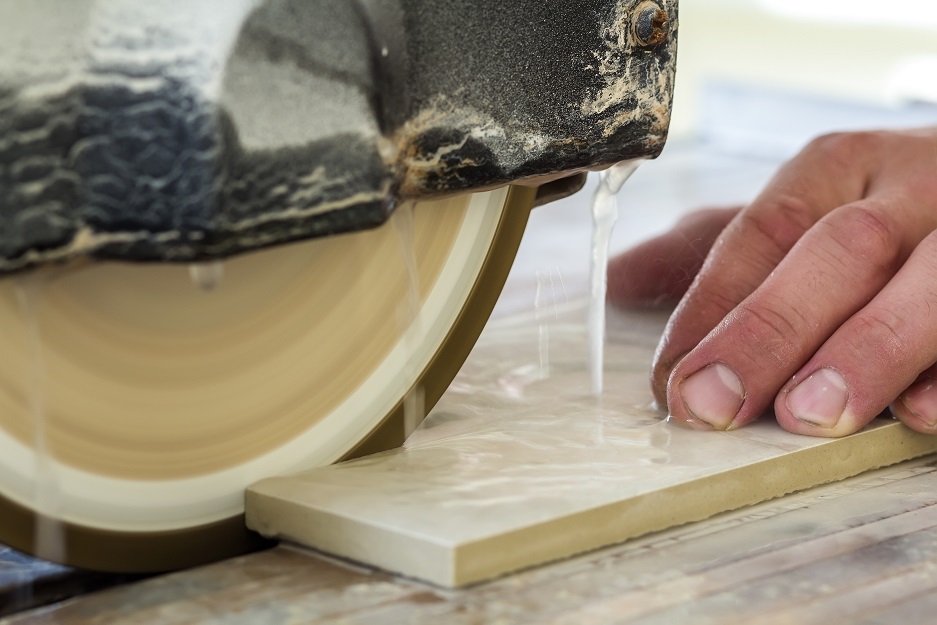
A wet saw is the top choice for straight porcelain tile cuts. It uses water to cool the blade and reduce dust. This cooling prevents the blade from overheating and chipping the tile edges. Wet saws provide clean, accurate cuts on large tiles and complex angles.
Angle Grinder Use
Angle grinders excel at cutting curves and small detail cuts. Use a diamond blade rated for porcelain for best results. Cut slowly with shallow passes to avoid chipping. Keep the blade cool by spraying water or taking breaks. Angle grinders are versatile but need careful handling.
Manual Cutter Options
Manual tile cutters are simple tools for straight cuts on thinner tiles. They score the tile surface and snap it along the line. This method works best for small jobs and less dense tiles. Manual cutters produce less dust and noise but require steady hands.
Choosing A Sharp Blade
A sharp blade is essential for smooth cuts on porcelain. Dull blades cause rough edges and chip the tile surface. Use diamond blades designed specifically for porcelain or ceramic tiles. Replace blades often to maintain cutting quality and prevent tile damage.
Setting Up Stable Support
Support your tile firmly before cutting to avoid vibrations. Use a soft but stable base like a rubber mat or foam pad. This support reduces tile movement and absorbs shock during cutting. A steady setup helps you make precise cuts without cracking or chipping.
Preparing The Tile
Preparing the tile is the first step to cut porcelain tile without chipping. Proper preparation helps ensure clean, precise cuts. It reduces the risk of damage during cutting.
Focus on marking exact lines and supporting the tile firmly. These tasks create a stable work environment. This stability prevents unwanted movement and tile breakage.
Marking Clear Cut Lines
Mark the tile carefully using a pencil or marker. Draw straight, clear lines where you want to cut. Use a ruler or straight edge for accuracy. Clear lines guide the angle grinder precisely. Avoid thick or unclear marks. Thin, sharp lines work best for exact cutting.
Supporting The Tile Properly
Place the tile on a flat, stable surface. Use a soft base like a rubber mat or foam to cushion it. Support the tile fully to stop vibration and movement. Keep the tile steady during cutting to avoid chipping. Never hold the tile by hand while cutting. Secure the tile with clamps if possible for added safety.
Cutting Techniques
Cutting porcelain tile without causing chips requires careful technique. Using an angle grinder can be effective if done properly. The right cutting methods help protect the tile edges from breaking. Below are key techniques to follow for clean, chip-free cuts.
Multiple Shallow Passes
Make several light cuts instead of one deep cut. This reduces pressure on the tile. Each shallow pass removes a small amount of material. The blade stays cooler and less likely to cause chips. Patience here means cleaner cuts.
Maintaining A Slow Feed Rate
Move the angle grinder slowly across the tile. Rushing can cause the blade to catch and chip the edge. A slow feed rate lets the blade cut smoothly. Control the speed for better results.
Using Water To Cool Blade
Keep the blade wet during cutting. Water cools the blade and tile surface. This reduces heat and prevents cracking. You can spray water or use a wet sponge near the cut area. Cooling extends blade life and improves cut quality.
Optional: Cutting Upside Down
Turn the tile upside down to cut. The tile’s finished side faces down. This protects the visible surface from chips. The grinder cuts from the back, reducing edge damage. This method works well for straight cuts.
Smoothing Edges Post-cut
Use a sanding pad or fine diamond stone to smooth edges. This removes small chips and roughness. Light sanding improves tile appearance and safety. Always handle tiles gently after cutting.
Avoiding Common Issues
Cutting porcelain tile with an angle grinder can lead to chipping if common issues are not addressed. Avoiding these problems improves your cut quality and saves time. Focus on simple techniques to reduce mistakes and protect the tile edges.
Preventing Blade Wobble
Blade wobble causes uneven cuts and tile damage. Use a high-quality diamond blade designed for porcelain. Tighten the blade securely to the grinder before cutting. Hold the grinder firmly with both hands to keep it steady. Move the tool slowly along the cut line to avoid shaking. A steady blade produces smooth, chip-free edges.
Ensuring Correct Blade Direction
Angle grinders spin the blade in one direction only. Always cut with the blade spinning away from the tile edge you want to keep clean. This reduces pressure on the tile surface and prevents chipping. Check the blade rotation before starting. Following the correct direction leads to cleaner cuts and less tile breakage.
Minimizing Heat And Vibration
Heat and vibration weaken the tile and cause chips. Use multiple shallow passes instead of one deep cut. Let the blade cool by pausing between cuts or spraying water. Support the tile on a soft surface to absorb vibrations. Keep the angle grinder speed steady and avoid forcing it. Less heat and vibration protect the tile’s finish.
Advanced Tips
Cutting porcelain tile with an angle grinder needs skill and care. Advanced tips help you cut clean edges without chipping. These tips focus on curves, working without a wet saw, and handling thick tiles.
Using the right method and tools makes your work easier. Follow these steps to improve your cutting results.
Cutting Curves And Details
Use a small diamond blade for detailed cuts. Mark the curve clearly on the tile surface. Cut slowly, making shallow passes to avoid chipping. Let the blade cool down between cuts. Support the tile firmly to reduce vibration. Move the grinder steadily along the marked line. Avoid forcing the blade into the tile. Patience creates smooth curves and clean edges.
Working Without A Wet Saw
A wet saw cools the blade and prevents dust. If you do not have one, use water to cool the blade yourself. Spray water on the cutting line while grinding. Take breaks to avoid overheating the blade. Use a diamond blade rated for dry cutting. Keep the tile supported on a soft base to absorb shocks. Cut slowly and carefully to reduce chips and cracks.
Handling Thick Porcelain Tiles
Thick tiles need extra care and time to cut. Start with a shallow cut on one side. Flip the tile and cut the other side in the same way. Use multiple passes instead of one deep cut. Support the tile fully on a sturdy surface. Use a sharp diamond blade designed for thick porcelain. Take breaks to prevent blade overheating. This method reduces chipping and ensures a clean cut.
Credit: www.lxhausys.com

Credit: www.youtube.com
Frequently Asked Questions
How To Cut Porcelain Tiles With A Grinder Without Chipping?
Use a sharp, porcelain-rated diamond blade on a wet angle grinder. Make multiple shallow cuts slowly. Support tiles on soft material and keep the blade wet to reduce heat and vibration, preventing chipping.
How To Prevent Porcelain Tile From Chipping When Cutting?
Use a wet saw or angle grinder with a sharp diamond blade. Make multiple shallow cuts slowly. Keep the tile supported on a soft base and wet to reduce chipping.
Can I Cut Porcelain Tile With An Angle Grinder?
Yes, you can cut porcelain tile with an angle grinder using a diamond blade. Make multiple shallow passes, keep the blade wet, and support the tile on a soft surface to prevent chipping. Use a slow, steady feed to ensure clean, precise cuts without damage.
Is It Better To Cut Porcelain Tiles Wet Or Dry?
Cut porcelain tiles wet to reduce heat and prevent chipping. Use a diamond blade, make shallow passes, and keep the cut area cool with water. Dry cutting increases dust, heat, and risk of chips, so wet cutting ensures cleaner, precise edges and extends blade life.
Conclusion
Cutting porcelain tile without chipping is possible with the right steps. Use a sharp, diamond blade designed for porcelain. Keep the tile supported on a soft surface to absorb vibrations. Make shallow, slow cuts to avoid damage. Wetting the blade and tile helps reduce heat and dust.
Practice patience and control during each pass. These simple tips protect your tiles and improve your results. Follow this guide, and your cuts will look clean and professional every time.