Are you ready to tackle your tile cutting project but unsure how to get those perfect cuts without expensive tools? Using an angle grinder might be the solution you’re looking for.
Whether you need precise curves around pipes or a quick trim on already installed tiles, an angle grinder can handle it—with the right technique. In this guide, you’ll discover simple, step-by-step tips to cut tiles safely and accurately using your angle grinder.
By the end, you’ll have the confidence to make clean cuts and smooth edges, saving time and effort on your next project. Let’s dive in and unlock the secrets to mastering tile cutting with an angle grinder!
You May Like
No products found.
Choosing The Right Blade
Choosing the right blade is key to cutting tile with an angle grinder. The blade affects the cut quality, speed, and safety. Using the wrong blade can cause chipping or damage to the tile.
Select a blade designed for tile cutting to get clean, precise cuts. Diamond blades are the top choice for this task. Knowing the types of diamond blades and blade sizes helps pick the best fit for your angle grinder and tile type.
Diamond Blade Types
Diamond blades come in several types based on the rim style. The continuous rim blade offers smooth cuts on porcelain and ceramic tiles. It reduces chipping and is great for clean edges.
Segmented rim blades have gaps in the rim to cool the blade faster. They cut faster but can cause rougher edges. Use these for harder tiles or when speed matters more than smoothness.
Turbo rim blades combine features of continuous and segmented types. They cut quickly while keeping edges fairly smooth. This type is good for general tile cutting tasks.
Blade Size And Compatibility
Blade size must match your angle grinder’s specifications. Common sizes are 4.5, 5, and 7 inches. Check the grinder’s manual for the correct blade diameter.
Blade arbor size is also important. The arbor is the hole in the center of the blade. It should fit snugly on the grinder’s spindle to avoid wobbling.
Using the right size blade ensures safety and better control. A blade too large or small can cause accidents or poor cuts.
Essential Safety Gear
Using an angle grinder to cut tile creates dust, flying debris, and sharp edges. Wearing the right safety gear protects your body and ensures a safer work process. This gear guards your eyes, hands, feet, and lungs from harm. Never skip these essentials before starting your tile cutting project.
Eye And Respiratory Protection
Eye protection is a must. Safety goggles shield your eyes from flying tile fragments and dust. Choose goggles that fit well and cover your eyes completely.
Dust from cutting tiles can irritate your lungs. Use a dust mask or respirator rated for fine particles. This keeps harmful dust from entering your airways. Breathing clean air helps you work longer without discomfort.
Gloves And Footwear
Gloves protect your hands from sharp tile edges and the grinder’s vibration. Use thick, sturdy gloves with good grip. They reduce cuts and improve control of the tool.
Wear closed-toe shoes or boots with strong soles. Footwear protects your feet if a tile or grinder slips. Non-slip soles help you stay steady on dusty floors.
Preparing The Tile
Preparing the tile is the first step before cutting with an angle grinder. Proper preparation ensures clean, precise cuts and reduces the risk of damaging the tile. It also helps protect the tile surface from unwanted chips and cracks.
Taking time to mark and protect the tile sets a solid foundation for the cutting process. This preparation makes the job easier and improves the final result.
Marking Cut Lines
Use a pencil or a marker to draw clear cut lines on the tile. Measure carefully to ensure accuracy. Straight lines work best for guide cuts with the angle grinder.
Use a ruler or a straight edge to help mark the lines. Double-check measurements before cutting. Clear lines guide the blade and keep cuts precise.
Using Masking Tape To Prevent Chipping
Apply masking tape along the cut lines on the tile surface. The tape holds tile pieces and reduces chipping during cutting. It also helps the blade follow the line more smoothly.
Press the tape firmly to avoid air bubbles. Mark the cutting line again on top of the tape for better visibility. This simple step protects the tile edges and creates cleaner cuts.
Setting Up The Angle Grinder
Setting up your angle grinder correctly is crucial for safe, accurate tile cutting. Proper setup ensures the tool runs smoothly and cuts cleanly. Follow these steps carefully to prepare your angle grinder before starting your tile project.
Attaching The Blade
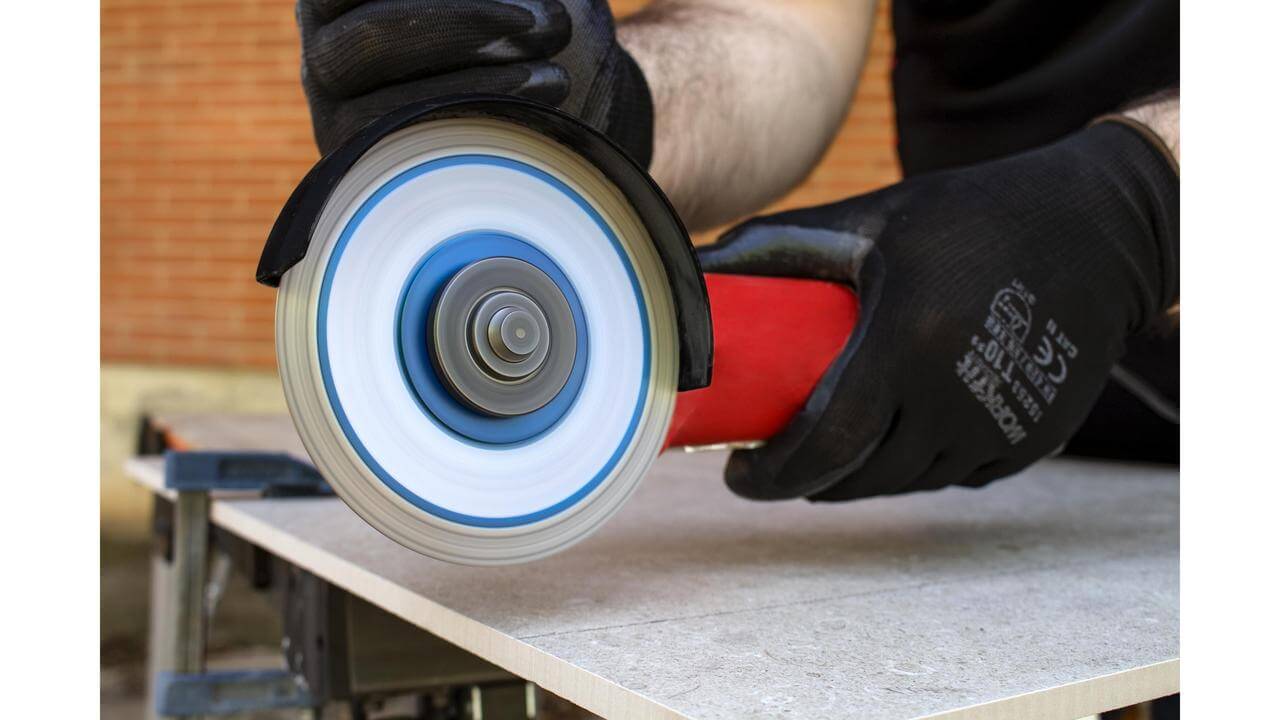
Choose a diamond blade designed for tile cutting. Avoid using metal cut-off blades as they can damage tiles. First, unplug the angle grinder to prevent accidental starts. Remove the guard if needed, but keep it if possible for safety. Place the diamond blade on the spindle, aligning it with the locking pin. Tighten the flange nut securely using the wrench that comes with the grinder. Check that the blade spins freely without wobbling before plugging the tool back in.
Adjusting Speed And Handling
Set the angle grinder to a medium speed for controlled cutting. High speed can cause overheating and chip the tile edges. Hold the grinder firmly with both hands to maintain control. Keep a steady grip and avoid forcing the blade through the tile. Let the blade do the cutting by applying light, consistent pressure. Ensure your work surface is stable and use clamps to keep tiles from moving during the cut.
Cutting Techniques
Cutting tile with an angle grinder requires specific techniques to achieve clean, precise results. Understanding these cutting methods helps reduce tile damage and improves your work speed. Use the right approach for different tile shapes and thicknesses. Each technique focuses on controlling the tool and blade to protect the tile.
Scoring The Tile
Scoring means lightly scratching the tile surface before cutting. Use the angle grinder with a diamond blade at low speed. Draw a straight line on the tile where you want to cut. This weakens the tile and guides the deeper cut. Scoring prevents the tile from cracking or breaking unevenly.
Making Shallow Passes
Make several shallow passes instead of one deep cut. Move the grinder slowly along the scored line. Each pass cuts a bit deeper. This method reduces tile chipping and keeps the blade from overheating. Shallow passes give better control and cleaner edges on the tile.
Cutting Curves And Notches
Cutting curves and notches requires steady hands and patience. Use the grinder to follow the marked line carefully. Turn the tile, not the grinder, to make smooth curves. Cut small sections slowly and avoid forcing the blade. This technique works well for fitting tiles around pipes or corners.
Controlling Dust And Debris
Cutting tile with an angle grinder creates a lot of dust and debris. Controlling this dust is important for clean work and safety. Dust can harm your lungs and make a mess around your workspace. It also reduces visibility and can affect the quality of your cut. Using the right dust control methods keeps the area clean and protects your health. Two effective ways to manage dust are wet cutting and using a shop vacuum.
Wet Cutting Methods
Wet cutting uses water to lower dust during tile cutting. Water sprays on the blade and tile, trapping dust particles. This method keeps dust from flying into the air. It also helps cool the blade, making it last longer. Use a spray bottle or a small water pump for steady water flow. Be careful to avoid water on electrical parts of the angle grinder. Wet cutting is very effective for controlling dust and is safe for indoor use.
Using A Shop Vacuum
A shop vacuum can suck up dust while cutting tiles. Place the vacuum nozzle close to the cutting area. Some vacuums have special attachments for angle grinders. This method works well in dry cutting conditions. It reduces airborne dust and keeps your workspace cleaner. Make sure the vacuum filter is clean and suitable for fine dust. Combining a shop vacuum with a dust mask adds extra protection. This method is simple and helps maintain a tidy work zone.
Finishing Touches
After cutting tiles with an angle grinder, the job is not yet done. Finishing touches are key to a professional look and safe edges. These steps help remove roughness and clean the workspace. A smooth finish prevents injury and improves tile appearance. Proper cleanup keeps your area tidy and ready for the next task.
Smoothing Edges
Edges of cut tiles often have sharp or uneven spots. Use the angle grinder with a diamond blade to gently smooth these rough edges. Move the grinder slowly along the edge to avoid cracking the tile. Light pressure works best to create a clean, even finish. For small chips, sanding with fine-grit sandpaper can help refine the edge. Always wear safety glasses and gloves during this step.
Cleaning Up
Cutting tiles creates dust and debris that must be cleared away. Use a brush or vacuum to remove dust from the tile and workspace. Wipe the tile surface with a damp cloth to get rid of leftover dust particles. Proper cleanup prevents dust from spreading and keeps your work area safe. Dispose of tile scraps carefully to avoid injury or mess.
Credit: www.rubi.com
When To Use An Angle Grinder
Choosing the right tool for cutting tile depends on the job type. An angle grinder works best for specific tile cutting tasks. It handles shapes and trims that other tools struggle with. Knowing when to use an angle grinder saves time and effort. It also ensures cleaner results on your tile projects.
Specialty Cuts
Angle grinders shine at specialty cuts. They cut curves and irregular shapes easily. Pipes, corners, or notches need these precise cuts. A wet saw cannot reach these tricky spots. The angle grinder’s small blade and agility help create complex shapes. Use a diamond blade for smooth, clean cuts. This tool is perfect for detail work on tile surfaces.
On-the-wall Adjustments
Tiles already installed on walls need careful trimming. An angle grinder can trim or resize tiles in place. It helps fit tiles around outlets, corners, or edges. Using it on the wall avoids removing tiles completely. This saves time and prevents damage to surrounding tiles. Small adjustments get easier with this tool’s control and power.
Alternatives For Straight Cuts
Cutting tiles straight requires precision and the right tool. An angle grinder works well but is not the only option. Some tools offer easier handling and cleaner cuts for straight lines. Choosing the right method depends on your project size and tile type. Here are two popular alternatives for straight tile cuts that many find helpful.
Wet Saw Advantages
A wet saw uses water to cool the blade and reduce dust. It cuts tiles faster and with less chipping. Water keeps the blade from overheating, extending its life. This tool is perfect for large tile jobs needing many straight cuts. It offers smooth, clean edges that need little finishing work. Using a wet saw requires a stable surface and space. It can be heavy and less portable than other tools. Still, its precision makes it a favorite for professionals and DIYers alike.
Manual Tile Cutter Benefits
A manual tile cutter is simple and easy to use. It scores the tile surface, then snaps it along the line. This tool is lightweight and portable, ideal for small projects. It produces no dust or noise, making it suitable for indoor work. Manual cutters are affordable and require no power source. They work best on ceramic and porcelain tiles but may struggle with very hard tiles. This cutter offers control and clean straight cuts for beginners and casual users.

Credit: www.youtube.com
Frequently Asked Questions
Can I Use An Angle Grinder To Cut Tile?
Yes, an angle grinder can cut tiles using a diamond blade. It’s ideal for curves and edges but creates dust and risks chipping. Wear safety gear and use water or a vacuum to control dust. For straight cuts, wet saws or manual cutters work better.
How To Cut Tile With Angle Grinder Without Chipping?
Use a diamond blade and score the cut line first. Make shallow, steady passes and apply masking tape to reduce chipping. Hold the grinder firmly with both hands and keep water or a vacuum nearby to control dust.
Do You Cut Tile Face Up Or Down?
Cut tiles face up for manual cutters and wet saws to avoid chipping. Use face down with angle grinders for cleaner edges.
What Kind Of Grinder Blade Do I Need To Cut Tile?
Use a diamond blade with a continuous rim for cutting tile. It ensures smooth, precise cuts and reduces chipping. Avoid metal blades.
Conclusion
Cutting tile with an angle grinder takes patience and care. Use a diamond blade to make clean cuts. Always wear safety gear to protect your eyes and lungs. Work slowly and steady to avoid chipping the tile. Keep dust under control with water or a vacuum.
This method works best for curves and small adjustments. Practice on scrap tiles before starting your project. With these steps, you can cut tiles safely and accurately using an angle grinder.