If you’ve ever wondered whether your angle grinder can double as a cut off tool, you’re in the right place. You might already own this powerful tool, but are you using it to its full potential?
Using an angle grinder as a cut off tool can save you time, money, and the hassle of buying another device. But there’s more to it than just swapping discs—you need to know how to do it safely and effectively.
Stick around, and you’ll discover the best tips and tricks to turn your angle grinder into a reliable cut off tool for all your cutting needs.

Credit: www.youtube.com
Angle Grinder Basics
An angle grinder is a versatile tool used for cutting, grinding, and polishing. It works as a cut off tool by spinning a disc at high speed. This tool is handy for many tasks in metal and construction work. Understanding the basics helps you use it safely and effectively.
Below are the key points about angle grinders. Knowing these can improve your cutting results and tool handling.
Main Components
An angle grinder has several main parts. The motor powers the tool. The spindle holds the cutting or grinding disc. A guard protects you from sparks and debris. The handle provides grip and control. A switch turns the tool on and off.
Types Of Discs
Discs come in many types for different tasks. Cut off discs are thin and perfect for cutting metal. Grinding discs are thicker and used to smooth surfaces. Flap discs help with polishing and finishing. Always choose the right disc for your job to get clean cuts.
Power Sources
Angle grinders can be corded or cordless. Corded models connect to electricity and run longer without stopping. Cordless grinders use batteries for easy movement and no cords. Battery life can limit work time but offers more freedom. Pick the power source that suits your work style.
Choosing Cut Off Wheels
Choosing the right cut off wheels for your angle grinder improves cutting efficiency and safety. Different materials need different types of wheels. Picking the correct wheel helps you get clean cuts and extends tool life. Consider the material and cut type before selecting a wheel. Understanding wheel types lets you match the tool to your task.
Metal Cutting Discs
Metal cutting discs are thin and made for slicing through steel, iron, and other metals. They spin fast and cut with precision. These discs wear out faster but give smooth, clean cuts. Use metal discs for sheet metal, pipes, and rods. Check disc thickness for your grinder’s speed rating to avoid accidents.
Diamond Blades For Masonry
Diamond blades are tough and designed for cutting concrete, brick, and stone. The blade edge has diamond particles that grind through hard materials. These blades last longer and cut faster on masonry. Use them for tiles, blocks, and bricks. Avoid using diamond blades on metal, as they wear quickly.
Specialty Blades
Specialty blades serve specific jobs like cutting plastic, wood, or fiberglass. They have unique designs for clean cuts on these materials. Some specialty blades reduce heat and friction. Choose these for delicate or unusual materials to prevent damage. Always check blade compatibility with your angle grinder.
Setting Up For Cutting
Setting up your angle grinder for cutting tasks is crucial for safety and efficiency. Proper preparation helps you achieve clean cuts and protects you from accidents. Follow these steps carefully before starting any cutting job.
Mounting The Disc
Choose the right cut-off disc for your material. Turn off the grinder and unplug it. Remove the old disc by loosening the flange nut. Place the new disc on the spindle. Tighten the nut securely but avoid over-tightening. Ensure the disc spins freely without wobbling.
Adjusting Guards
Set the guard to cover the disc’s top and sides. The guard protects you from sparks and debris. Adjust it to face away from your body. Make sure it does not block your cutting line. Lock the guard firmly to prevent movement during use.
Securing The Workpiece
Place your material on a stable surface. Use clamps or a vise to hold it tight. This stops the workpiece from moving or vibrating. Keep your hands clear of the cutting area. A secure workpiece helps ensure precise and safe cuts.
Cutting Techniques
Cutting with an angle grinder as a cut off tool requires specific techniques. Proper methods improve safety and result quality. This section explains basic cutting techniques to help you achieve clean and accurate cuts. Follow these simple steps for better control and precision.
Straight Cuts
For straight cuts, mark your line clearly on the material. Hold the angle grinder firmly with both hands. Start the cut slowly to create a groove. Maintain steady pressure and follow the line carefully. Do not force the tool; let the blade do the work. Keep the grinder at a consistent angle to avoid uneven cuts.
Curved Cuts
Curved cuts need slower, more controlled movements. Use a smaller cutting wheel for better maneuverability. Mark the curve clearly before starting. Move the grinder along the curve in smooth, steady motions. Avoid sharp turns or sudden changes in direction. Practice on scrap material to improve your skill.
Avoiding Common Mistakes
Do not rush the cut; it leads to mistakes and accidents. Avoid pushing too hard; this can break the blade. Keep your hands steady to prevent slips. Always wear safety gear like goggles and gloves. Make sure the workpiece is securely clamped. Check the blade condition before use to avoid damage.
Safety Measures
Using an angle grinder as a cut off tool requires strict safety measures. This tool spins at high speeds and can cause serious injury without proper care. Wearing the right gear and following safe handling steps helps prevent accidents. Regular maintenance keeps the tool working well and safe.
Personal Protective Equipment
Always wear safety goggles to protect your eyes from sparks and debris. Use ear protection to guard against loud noise. Wear sturdy gloves to protect your hands from cuts and vibration. Use a dust mask if cutting materials that create dust. Wear long sleeves and pants to protect your skin.
Safe Handling Practices
Hold the angle grinder firmly with both hands. Keep a steady grip and stance. Do not use excessive force; let the tool do the work. Always cut away from your body and keep bystanders clear. Avoid loose clothing or jewelry that can get caught. Disconnect power before changing discs or making adjustments.
Maintenance Tips
Check the cutting disc for cracks or damage before each use. Replace worn or damaged discs immediately. Clean the tool after every use to remove dust and debris. Inspect the power cord for cuts or frays. Lubricate moving parts as recommended by the manufacturer. Store the angle grinder in a dry place to prevent rust.
Credit: www.arccaptain.com
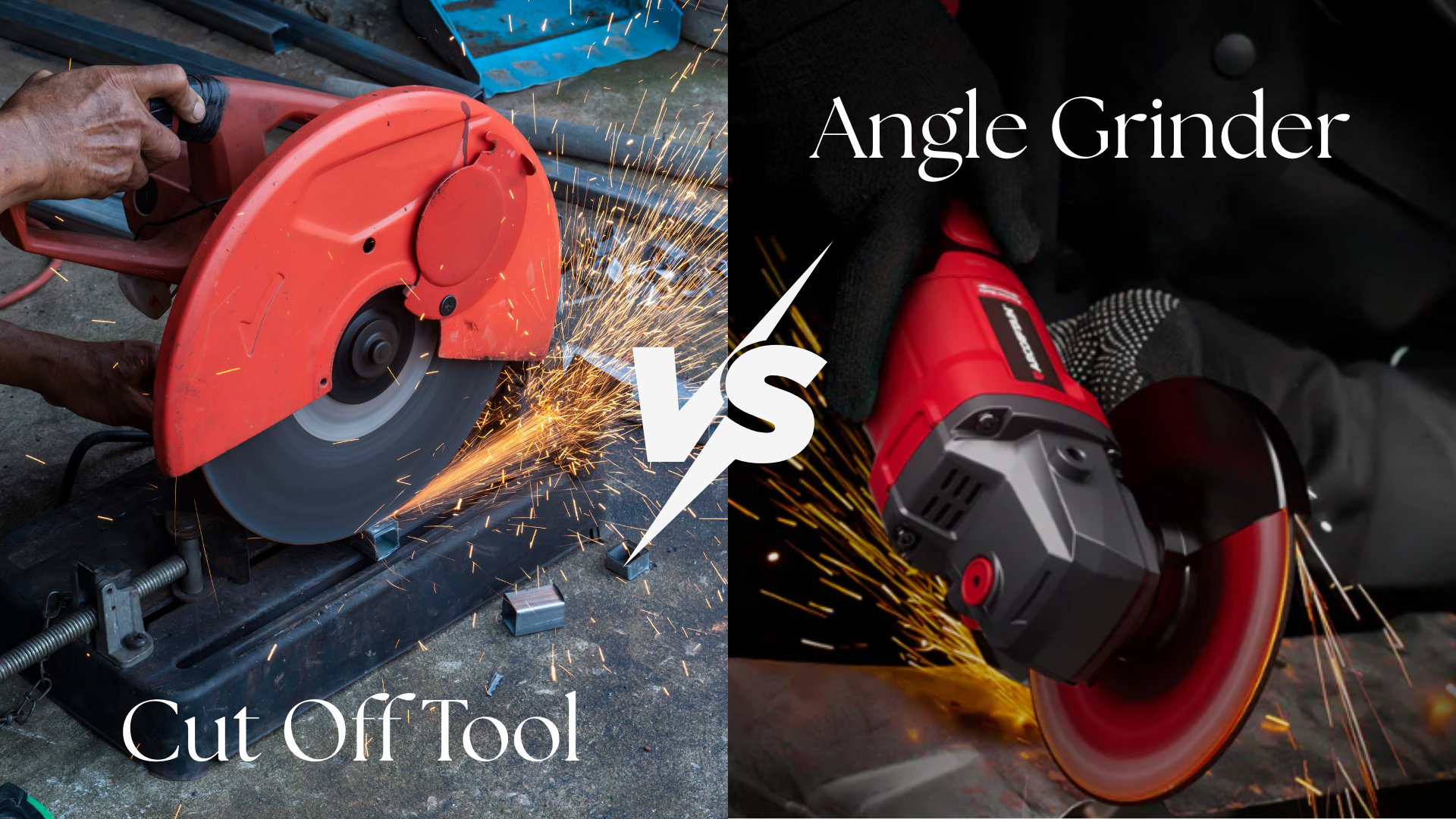
Angle Grinder Vs Cut Off Tool
Choosing between an angle grinder and a cut off tool matters for many cutting tasks. Both tools cut metal and other materials but differ in design and use. Understanding these differences helps pick the right tool for your job. Below, we compare power, cutting depth, precision, and best uses.
Power And Torque
Angle grinders usually have higher power and torque. They handle tough materials and heavy cutting. Cut off tools are lighter and have less torque. They work well on smaller or thinner materials. Power affects how fast and smooth the cut is.
Cutting Depth And Precision
Angle grinders offer deeper cuts thanks to larger discs. They fit well for rough cuts and shaping. Cut off tools use thin discs for shallow, precise cuts. They excel in tight spaces and detailed work. Precision depends on the tool size and control.
Best Applications For Each
Angle grinders suit tasks like metal grinding, surface preparation, and thick cutting. They work on concrete, stone, and metal. Cut off tools excel in cutting bolts, pipes, and sheet metal. They are ideal for quick, clean cuts in confined areas.
Converting Angle Grinder
Converting an angle grinder into a cut off tool is a smart way to boost its function. This change allows the grinder to perform precise cutting jobs with ease. It saves money by avoiding the need for a separate cut off saw. The process involves simple adjustments and adding the right accessories. Safe handling and proper setup ensure better results.
Diy Cutoff Saw Conversion
Start by choosing a sturdy base to hold the angle grinder. Fix the grinder securely to avoid movement during cuts. Attach a cut off wheel designed for metal or masonry. Create a guard to protect against sparks and debris. Check the alignment to keep cuts straight and clean. This setup turns your angle grinder into a reliable cutoff saw.
Tool Attachments
Select attachments made for cutting tasks only. Use cutting discs that fit your grinder’s size and speed. Consider a clamp or vise to hold the material steady. A handle extension can improve grip and control. Dust shields help keep the workspace clean. The right tools improve safety and cutting quality.
Enhancing Stability
Stable tools make cutting easier and safer. Use a heavy base or mount for the grinder. Add rubber feet to reduce vibrations. Keep the work area clear of obstacles. Use clamps to hold the material firmly in place. A stable setup reduces accidents and improves cut accuracy.
Common Materials To Cut
Angle grinders serve as versatile cut off tools for many materials. Their powerful motors and spinning discs make cutting fast and precise. Knowing which materials they handle best helps you choose the right disc and technique. This ensures clean cuts and extends tool life.
Metal Types
Angle grinders cut many metal types. Steel, stainless steel, and aluminum are common. Thin sheet metal and thick bars both work well. Use abrasive discs or diamond blades for best results. Cutting metal creates sparks, so safety gear is essential.
Concrete And Masonry
Concrete, bricks, and stone are tough materials for cutting. Special diamond blades on angle grinders handle these well. They slice through concrete blocks and masonry walls smoothly. This makes angle grinders handy on construction sites and home projects.
Wood And Plastic
Angle grinders can cut wood and plastic with the right blade. Wood cutting requires a fine-toothed disc to avoid splintering. Plastic cuts cleanly using abrasive or carbide blades. Work slowly to prevent melting or burning the plastic.
Troubleshooting Tips
Troubleshooting your angle grinder as a cut off tool saves time and money. Knowing common problems helps keep your work smooth. Here are simple tips for fixing frequent issues.
Disc Wear And Tear
Check the disc regularly for cracks or chips. Replace worn discs to avoid accidents. Use discs that match your grinder’s size and speed. Proper discs improve cutting and extend tool life.
Overheating Issues
Overheating can damage the motor and reduce tool life. Avoid pressing too hard while cutting. Take breaks to let the grinder cool down. Clean air vents to keep airflow steady and prevent heat buildup.
Unusual Vibrations
Vibrations often signal loose parts or worn discs. Tighten the disc and guard before use. Inspect the spindle for damage. Replace damaged parts to restore smooth operation.
Buying Guide
Choosing the right angle grinder as a cut off tool makes a big difference in your work. This buying guide helps you find the best tool for your needs. It covers trusted brands, price options, and the best places to buy. Use this guide to make a smart purchase that lasts long and works well.
Top Brands
Some brands stand out for quality and durability. Bosch offers powerful motors and solid build. DeWalt is known for long battery life and strong performance. Makita provides good value with reliable tools. Milwaukee focuses on heavy-duty use and user comfort. Choosing a brand with positive reviews helps avoid problems later.
Price Ranges
Angle grinders come in many price ranges. Budget models start around $20 and suit light tasks. Mid-range tools cost between $50 and $100, fitting most home projects. Professional models go from $100 to $200 or more, built for tough jobs. Pick a price that matches your needs and how often you will use it.
Where To Buy
Many stores sell angle grinders for use as cut off tools. Home Depot and Lowe’s offer wide selections and good warranties. Harbor Freight Tools has affordable options for casual users. Online shops like Amazon provide reviews and delivery to your door. Check local hardware stores for advice and hands-on help.

Credit: www.reddit.com
Frequently Asked Questions
Can An Angle Grinder Be Used As A Cutoff Tool?
Yes, an angle grinder can be used as a cutoff tool. It cuts metal and other materials effectively with the right wheel. Use two hands for better control and safety.
Is A Cordless Cut Off Tool Better Than An Angle Grinder?
A cordless cut off tool offers better control and portability for light tasks. Angle grinders provide more power and deeper cuts for thick materials. Choose based on your project’s size and precision needs.
Can You Use An Angle Grinder For Cutting?
Yes, an angle grinder can cut metal, stone, and concrete effectively. Use the correct cutting disc and safety gear.
What Is The Difference Between A Cut-off Tool And A Grinder?
A cut-off tool is lightweight and designed for precise, thin cuts. A grinder is heavier, suited for grinding, polishing, and cutting thicker materials.
Conclusion
An angle grinder works well as a cut off tool for many jobs. It cuts through metal, tile, and other materials with ease. Using the right disc ensures clean and precise cuts every time. Always wear safety gear to protect your eyes and hands.
This tool saves time and effort on cutting tasks. Keep it steady and controlled for the best results. With practice, anyone can cut effectively using an angle grinder. Simple, strong, and versatile—this tool fits many cutting needs.