If you’re planning to install or renovate a patio, walkway, or garden path, cutting brick pavers to fit your design is a crucial step. You might wonder, “Can I cut brick pavers with an angle grinder?” The answer is yes—and it’s one of the easiest and most effective methods you can use.
With the right blade and a few simple techniques, you can achieve clean, precise cuts that make your project look professional. In this guide, you’ll discover how to safely and efficiently cut brick pavers using an angle grinder, saving you time and money while boosting your DIY confidence.
Ready to transform your outdoor space? Let’s dive in and make those perfect cuts together!
Tools And Materials
Having the right tools and materials makes cutting brick pavers easier and safer. This section covers the essential equipment needed to use an angle grinder for cutting. Prepare well to achieve clean, precise cuts every time.
Choosing The Right Angle Grinder
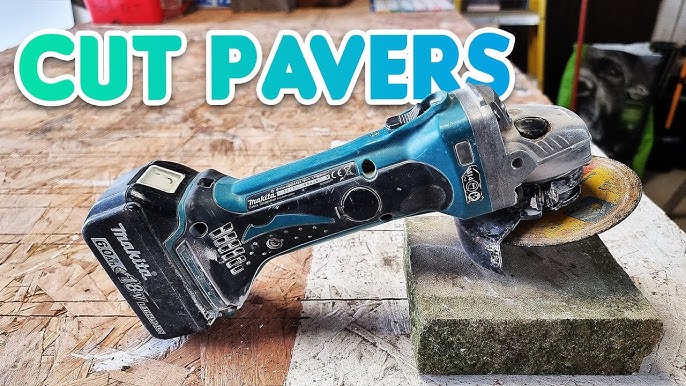
Select an angle grinder with a power rating of at least 6 amps. A 4.5-inch or 5-inch grinder fits most cutting tasks comfortably. Look for a model with adjustable speed settings and a comfortable grip. A lightweight grinder reduces fatigue during extended use.
Selecting A Masonry Blade
Use a diamond-tipped masonry blade designed for cutting brick and concrete. These blades last longer and deliver smoother cuts. Check the blade size to match your angle grinder. Avoid using metal-cutting blades as they can damage the pavers and grinder.
Additional Safety Gear
Wear safety glasses or goggles to protect your eyes from flying debris. Use ear protection to guard against loud noise. Gloves provide a better grip and protect your hands. A dust mask or respirator helps prevent inhaling dust particles. Always wear sturdy footwear and long sleeves for extra protection.
Credit: www.youtube.com
Preparation Steps
Preparation is key before cutting brick pavers with an angle grinder. Proper steps ensure accuracy and safety. Taking time to prepare makes the cutting process smoother and more efficient.
Measuring And Marking Pavers
First, measure the paver carefully using a tape measure. Mark the cut line clearly with a pencil or chalk. Double-check measurements to avoid mistakes. A straight, visible line guides the angle grinder during cutting. Take your time here for precise results.
Setting Up A Safe Workspace
Choose a flat, stable surface to work on. Clear the area of any obstacles or loose items. Wear safety goggles, gloves, and a dust mask to protect yourself. Ensure good lighting and proper ventilation. Keep children and pets away from the workspace. Safety prevents accidents and keeps the job on track.
Cutting Techniques
Cutting brick pavers with an angle grinder requires specific techniques for clean and accurate results. Understanding these methods helps you handle different shapes and cuts. Proper cutting makes your project look professional and fits perfectly.
Each type of cut demands a careful approach. Follow safety tips and use the right blade for your angle grinder. Let’s explore the main cutting techniques for brick pavers.
Straight Cuts
Straight cuts are the most common type when working with pavers. Mark the cut line clearly with a pencil or chalk. Hold the angle grinder firmly and cut along the line slowly. Use steady pressure to avoid chipping the edges. Make shallow passes first, then deepen the cut gradually. This method prevents the blade from overheating and gives a smooth finish.
Angle Cuts
Angle cuts add a creative touch or help fit pavers into corners. Mark the angle precisely before cutting. Tilt the angle grinder to match the desired angle. Cut slowly, keeping control to follow the marked line. It helps to practice on spare pavers for better accuracy. Angle cuts require patience but improve the overall look of your layout.
Curved Cuts
Curved cuts are trickier but possible with an angle grinder. Draw the curve clearly on the paver surface. Use a thin blade designed for detailed cutting. Cut in small sections, turning the paver or grinder to follow the curve. Take breaks to avoid overheating the blade. Curved cuts allow for unique designs and smooth edges around garden beds or paths.
Wet Vs Dry Cutting
Choosing between wet and dry cutting is key when using an angle grinder on brick pavers. Each method has unique features that affect the cut quality, safety, and tool lifespan. Understanding these differences helps you pick the right approach for your project.
Benefits Of Wet Cutting
Wet cutting uses water to cool the blade and reduce dust. This lowers the risk of overheating the blade, keeping it sharper longer. Water also controls dust, making the work area cleaner and safer for breathing.
Wet cutting gives smoother edges on pavers. It reduces chipping and cracks, resulting in a neater finish. This method works well for precise cuts and larger projects where dust control is critical.
When To Use Dry Cutting
Dry cutting does not need water and is more portable. It is faster to set up and can be done anywhere without water access. Dry cutting suits small jobs or quick cuts where convenience matters.
This method can produce more dust and heat. Use it with proper safety gear like masks and eye protection. Dry cutting works best on softer pavers or when perfect edges are not essential.
Safety Tips
Safety is the top priority when cutting brick pavers with an angle grinder. This task creates dust, flying debris, and sparks. Taking proper precautions protects your body and eyes. It also keeps your work area safe and clean. Follow these safety tips to reduce risks and work confidently.
Protective Clothing And Eye Gear
Always wear safety goggles to protect your eyes from flying chips. Use a dust mask or respirator to avoid breathing in harmful dust. Wear thick gloves to shield your hands from sharp edges and hot sparks. Long sleeves and pants help protect your skin. Choose sturdy, closed-toe shoes for foot safety.
Handling Dust And Debris
Cutting brick pavers generates a lot of dust. Work in a well-ventilated area or outdoors to keep dust levels low. Use water to wet the pavers and reduce dust. Clean the area frequently to avoid buildup of debris. Keep a broom or vacuum handy to clear dust from your workspace. Dispose of debris safely to prevent accidents.
:strip_icc()/GettyImages-1368978933-e5f499e3c7a8422192278e5bb3a4b1e6.jpg "How to Cut Brick Pavers With Angle Grinder: Easy & Precise Guide")
Credit: www.bhg.com
Common Challenges
Cutting brick pavers with an angle grinder can be tricky. Many face common challenges that affect the quality of the cut and the safety of the work. Understanding these problems helps you avoid mistakes and get better results. Below are two main challenges and how to handle them properly.
Avoiding Blade Binding
Blade binding happens when the grinder blade gets stuck in the paver. This can cause the tool to jerk or kick back, leading to unsafe situations. To avoid binding, use a sharp diamond blade made for masonry work. Keep the grinder steady and do not force it through the paver. Let the blade cut at its own speed. Also, make straight cuts and avoid twisting the grinder during the cut.
Preventing Paver Cracking
Cracking is a common issue when cutting pavers. It ruins the piece and wastes materials. To prevent cracking, mark the cut line clearly with a pencil before starting. Score the line lightly first, then cut deeper gradually. Use slow, controlled passes instead of rushing. Wet cutting can also reduce cracks by cooling the blade and reducing dust. Support the paver firmly to stop vibrations that cause cracks.
Finishing Touches
After cutting your brick pavers with an angle grinder, the final steps improve both safety and appearance. These finishing touches ensure your project looks neat and lasts longer. Take your time to smooth and clean the edges carefully. This process helps avoid sharp spots that can cause injury or damage.
Smoothing Edges
Use a grinding disc or a diamond blade to smooth rough edges. Hold the angle grinder steadily and run it along the cut line. Light pressure works best to avoid breaking the paver. Move slowly to create an even finish. Check for any sharp points and smooth them until the edges feel safe to touch. This step gives your pavers a professional look and reduces chipping risks.
Cleaning Up
Remove dust and debris from the cutting area using a brush or a vacuum. Clean surfaces help the pavers fit tightly without gaps. Wash the pavers with water to clear fine dust from the cuts. Let them dry completely before installation. A clean workspace prevents dirt from sticking to the mortar or adhesive. Proper cleanup ensures your finished patio or walkway looks tidy and polished.
:max_bytes(150000):strip_icc()/how-to-cut-pavers-213250-hero-a68f8ef21652484cb90156ec296944d6.jpg "How to Cut Brick Pavers With Angle Grinder: Easy & Precise Guide")
Credit: www.thespruce.com
Frequently Asked Questions
Can You Use An Angle Grinder To Cut Pavers?
Yes, you can use an angle grinder with a masonry blade to cut pavers. It works well for small projects. Use steady pressure and mark cuts clearly. For larger jobs, consider a wet saw for cleaner, faster cuts and less dust.
What Is The Best Tool To Cut Brick Pavers?
The best tool to cut brick pavers is a circular saw or angle grinder with a masonry blade. Wet cutting reduces dust and provides cleaner cuts. Concrete saws with water hoses also work well for larger projects.
Can You Cut Bricks With An Angle Grinder?
Yes, you can cut bricks with an angle grinder using a diamond masonry blade. It offers precise, quick cuts for small projects. Always wear safety gear and cut slowly to avoid damage or injury.
Is It Better To Cut Pavers Wet Or Dry?
Cutting pavers wet reduces dust and heat, resulting in cleaner, more precise cuts. Wet cutting extends blade life and improves safety.
Conclusion
Cutting brick pavers with an angle grinder is simple and effective. Always wear safety gear to protect yourself. Measure and mark your cut lines carefully before starting. Use a diamond blade designed for masonry for best results. Take your time and make steady, controlled cuts.
Wet cutting can reduce dust and make smoother edges. Practice on a scrap piece if you are new to this tool. With patience and care, your paver project will look professional and clean. This method works well for small to medium projects around your home.