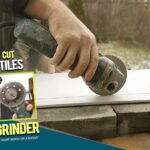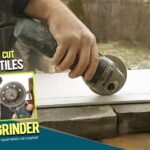
Are you wondering if you can cut slabs with an angle grinder? Whether you’re working on a DIY patio project or fixing a broken concrete slab, knowing the right tool to use is key.
An angle grinder is a popular and handy tool that many turn to for cutting slabs, but is it really up to the task? You’ll discover how an angle grinder can handle slab cutting, what blades you need, and the best safety tips to keep you protected.
Keep reading to find out how you can make clean, precise cuts with your angle grinder and avoid costly mistakes on your next project.
Tools Needed
Cutting slabs with an angle grinder requires the right tools. Using proper equipment makes the job easier and safer. You need to prepare well before starting. This section covers the essential tools you will need.
Having the correct angle grinder and blade is crucial. Safety gear protects you during cutting. Marking and measuring tools help make precise cuts.
Choosing The Right Angle Grinder
Select an angle grinder with enough power for slab cutting. A 4.5 to 7-inch grinder works well for most slabs. Make sure it has a comfortable grip and adjustable speed settings. Check that the grinder can handle the blade size you plan to use.
Selecting Diamond Blades
Use diamond blades designed for cutting slabs. Blades with segmented or turbo rims cut concrete and stone effectively. Ensure the blade matches your grinder size. A quality blade reduces dust and improves cutting speed.
Essential Safety Gear
Protective gear is a must. Wear safety goggles to shield your eyes from debris. Use ear protection to guard against loud noise. A dust mask keeps you safe from harmful particles. Gloves help maintain a firm grip and protect your hands.
Marking And Measuring Tools
Accurate cuts start with precise marking. Use a tape measure to find exact dimensions. Chalk or a pencil helps mark cut lines clearly on slabs. A straight edge or ruler ensures your lines are straight and even.

Credit: www.youtube.com
Preparing The Slab
Preparing the slab is a crucial step before cutting with an angle grinder. Proper preparation ensures clean cuts and enhances safety. It also helps the angle grinder work efficiently without damaging the slab or the tool.
Follow these simple steps to prepare your slab correctly. Each step plays an important role in achieving the best results.
Cleaning The Surface
Remove dirt, dust, and debris from the slab surface. Use a brush or a cloth to wipe it clean. A clean surface prevents the grinder from slipping. It also helps you see the cut lines clearly. Avoid cutting over loose particles to reduce blade wear.
Supporting The Slab Securely
Place the slab on a stable, flat surface. Use sturdy supports like sawhorses or wooden blocks. Make sure the slab does not move during cutting. Secure it with clamps if needed. A stable slab reduces vibration and improves cut accuracy. It also keeps you safer while working.
Marking Cut Lines Accurately
Use a pencil or chalk to draw clear cut lines. Measure twice before marking to avoid mistakes. Straight and visible lines guide your angle grinder for precise cuts. Avoid freehand cutting without markings. Accurate lines help reduce waste and improve the final look of the slab.
Cutting Techniques
Cutting slabs with an angle grinder requires proper techniques to ensure clean and safe results. Using the right methods helps prevent damage to the slab and extends the life of your tool. This section explains key cutting techniques for effective slab cutting.
Using Light Pressure
Apply gentle pressure while cutting. Pressing too hard can cause the blade to overheat or break. Let the angle grinder do the work by guiding it steadily along the cut line. Light pressure reduces wear on the blade and avoids uneven cuts.
Making Multiple Passes
Instead of cutting through the slab in one go, make several shallow passes. Each pass deepens the cut gradually. This technique lowers the risk of chipping or cracking the slab. It also keeps the blade cooler and extends its lifespan.
Controlling Dust And Debris
Cutting slabs creates a lot of dust and debris. Use a dust mask and eye protection to stay safe. Sweep the work area often to prevent buildup. Working outside or in a well-ventilated space helps control dust in the air.
Wet Vs Dry Cutting Methods
Wet cutting uses water to cool the blade and reduce dust. It works well for thick slabs and long cuts. Dry cutting is faster but creates more dust and heat. Choose wet cutting for better blade life and cleaner work, especially indoors.

Credit: www.bigrentz.com
Safety Precautions
Cutting slabs with an angle grinder can be effective, but safety is key. This tool spins at high speed and can cause serious injury if not handled carefully. Following safety precautions helps protect you and those around you during the cutting process.
Protective Clothing And Equipment
Wear safety goggles to shield your eyes from flying debris. Use ear protection to guard against loud noise. A dust mask prevents inhaling harmful dust particles. Gloves protect your hands from sparks and sharp edges. Wear long sleeves and sturdy pants to cover your skin fully.
Handling The Grinder Properly
Hold the angle grinder firmly with both hands. Keep a steady grip to control the tool well. Start the grinder before contacting the slab. Do not force the blade; let it cut at its own pace. Always cut away from your body to avoid accidents.
Avoiding Common Hazards
Check the blade for cracks or damage before use. Do not use worn or unsuitable discs. Keep the work area clean and free of obstacles. Avoid cutting in wet conditions to prevent electric shock. Never remove safety guards or disable safety features on the grinder.
Best Uses For Angle Grinders
Angle grinders are versatile tools ideal for many cutting and grinding tasks. Their compact size and powerful motor make them a favorite among DIYers and professionals alike. Using the right blade and technique, angle grinders handle materials like stone, concrete, and tile with ease. Understanding their best uses helps achieve clean cuts and efficient work.
Cutting Pavers And Tiles
Angle grinders cut pavers and tiles quickly and precisely. A diamond blade designed for masonry works best. This tool allows straight cuts and curved shapes. It suits small projects or repairs well. Clean edges improve the final appearance of patios or walls.
Scoring Concrete For Breaks
Scoring concrete slabs before breaking makes the job easier. The angle grinder creates shallow cuts along the break line. This weakens the slab and guides the break. It reduces the risk of uneven or large cracks. Scoring is useful for controlled demolition or remodeling.
Precision Cuts In Tight Spaces
Angle grinders reach tight spaces where larger saws cannot fit. Their small size lets users make precise cuts around corners or edges. This is helpful when trimming slabs or tiles in confined areas. It also aids detailed work on complex shapes or patterns.

Credit: www.youtube.com
Limitations To Consider
Using an angle grinder to cut slabs is popular for small projects. It offers control and ease for thin materials. Still, there are limits to what it can handle. Knowing these helps avoid mistakes and damage. Here are key points to keep in mind before starting your cut.
Depth Restrictions
Angle grinders usually have small blades. These blades limit how deep you can cut. Most angle grinder blades cut only a few inches deep. Thick slabs need multiple passes or special equipment. Trying to cut too deep at once can wear out the tool quickly. It also increases the risk of accidents. For deep slabs, an angle grinder is not the best choice.
When To Use Dedicated Concrete Saws
Concrete saws are made for heavy cutting jobs. They have larger blades and stronger motors. These saws cut deep and straight through thick slabs. They work faster and keep the blade cooler. This reduces wear and improves safety. Use a concrete saw for big projects or thick concrete. It saves time and prevents tool damage.
Avoiding Damage To Slabs
Slabs can crack or break if cut wrongly. Angle grinders create heat and vibration. These forces can cause chips or cracks in the slab. Use steady hands and slow cutting speed to reduce risk. Support the slab well to avoid movement during cutting. Choose the right blade for the material type. Careful cutting keeps slabs intact and neat.
Maintenance Tips
Proper maintenance keeps your angle grinder cutting slabs smoothly and safely. Regular care extends blade life and ensures consistent performance. Follow these simple tips to protect your tool and get the best results.
Blade Care And Replacement
Check the blade before every use for cracks or wear. A dull or damaged blade can cause uneven cuts and strain the grinder. Replace blades that show visible damage or become blunt. Use the correct blade type for cutting slabs, such as diamond blades designed for concrete.
Cleaning The Grinder
Remove dust and debris after each job to prevent clogging. Use a brush or compressed air to clean vents and moving parts. Clean the guard and handle to maintain safe operation. Keeping the grinder clean helps it run cooler and last longer.
Storage And Handling
Store the angle grinder in a dry, safe place away from moisture. Avoid dropping or banging the tool to prevent internal damage. Keep the power cord untangled and inspect it regularly for cuts or frays. Proper storage protects your grinder and keeps it ready for the next job.
Frequently Asked Questions
Can I Cut Paving Slabs With An Angle Grinder?
Yes, you can cut paving slabs with an angle grinder using a diamond blade. Ensure safety gear, secure the slab, and make multiple shallow passes for clean cuts.
Can You Use A Grinder To Cut Concrete Slabs?
Yes, you can use an angle grinder to cut concrete slabs for small or detailed jobs. Use a diamond blade, wear safety gear, and make multiple passes for clean cuts. For large or deep cuts, use a dedicated concrete saw instead.
What Size Angle Grinder For Cutting Slabs?
Use a 9-inch angle grinder for cutting slabs up to 2 inches thick. Smaller grinders (4. 5-7 inches) suit thinner or detailed cuts. Always equip a diamond blade designed for concrete or masonry for best results.
What Cannot Be Cut With An Angle Grinder?
Angle grinders cannot cut very thick concrete slabs, hardened steel, tempered glass, or materials requiring precise, deep structural cuts. Avoid cutting wood or plastic with an angle grinder. Use appropriate tools and blades for such materials to ensure safety and effectiveness.
Conclusion
Cutting slabs with an angle grinder works well for small to medium jobs. Use a diamond blade made for concrete to get clean cuts. Always wear safety gear like goggles and gloves to protect yourself. Support the slab firmly before cutting to prevent accidents.
This tool handles paving stones, tiles, and thin slabs easily. For large or deep cuts, consider a concrete saw instead. Follow safety steps and work slowly for best results. Angle grinders offer a practical solution when used correctly and carefully.